


Why Arlington Attic Insulation Matters for Comfort and Efficiency
Arlington Attic Insulation is one of the most important upgrades homeowners can make to improve energy efficiency and comfort throughout the year. Many homes lose significant heat during winter and absorb excess heat during the intense Texas summers because their attic insulation is outdated or insufficient. This leads to high energy bills, uneven indoor temperatures, and unnecessary strain on heating and cooling systems. When attic spaces are poorly insulated, conditioned air escapes and outside temperatures quickly affect your home’s interior. The solution lies in properly installed attic insulations that create a protective barrier between your living space and the outdoor environment. With the help of a qualified attic insulation contractor or attic insulation installer, homeowners can transform their attic into a powerful energy-saving shield that delivers lasting benefits.
How Attic Insulation Works to Protect Your Home
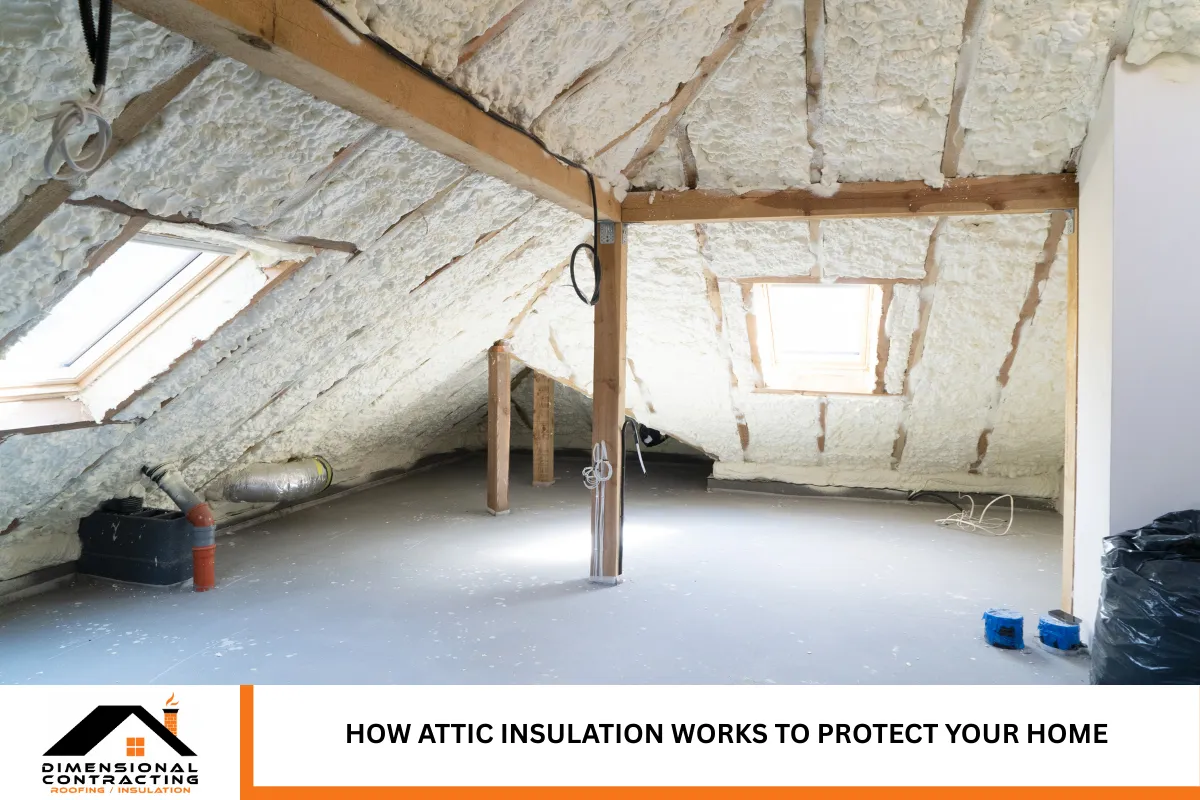
Attic insulation functions as a thermal barrier that slows down heat transfer. Heat naturally moves from warmer areas to cooler ones. During summer, the attic can reach temperatures exceeding 130°F in North Texas. Without adequate insulation, that heat radiates into living areas below.
In winter, the opposite happens. Warm air inside the home rises and escapes through the attic if insulation is insufficient. Quality attic insulations help regulate this movement.
Key functions of attic insulation include:
- Reducing heat transfer between attic and living spaces
- Maintaining consistent indoor temperatures
- Supporting HVAC system efficiency
- Improving indoor comfort during extreme weather
- Reducing overall energy consumption
The U.S. Department of Energy recommends insulation levels appropriate for climate zones. Arlington, Texas falls within Climate Zone 3, where attic insulation typically ranges between R-30 and R-60 depending on the home structure and existing insulation layers.
An experienced attic insulation installer understands how to meet these standards while evaluating ventilation, air sealing, and insulation type.
Energy Savings That Make a Real Difference
One of the most noticeable benefits of attic insulation upgrades is lower energy bills. Heating and cooling account for nearly half of a typical home’s energy use. When insulation performs properly, HVAC systems operate more efficiently.
Homeowners in Arlington often see energy savings because attic insulations help prevent conditioned air from escaping.
Energy improvements may include:
- Reduced air conditioning usage during hot summers
- Less heat loss during cooler months
- Lower monthly utility costs
- Longer lifespan for HVAC equipment
- Improved temperature balance throughout the house
A professional attic insulation contractor evaluates insulation depth, coverage, and air leakage points before recommending improvements. These evaluations ensure the system performs at peak efficiency.
Temperature Stability Throughout the Seasons
North Texas weather fluctuates significantly. Summers bring intense heat while winter temperatures occasionally drop below freezing. Without sufficient insulation, homes struggle to maintain comfortable indoor conditions.
Proper attic insulations create stability by slowing heat transfer.
Benefits include:
- Cooler indoor temperatures during summer
- Warmer indoor air retention during winter
- Fewer hot or cold spots inside the home
- Improved thermostat performance
When insulation works together with attic ventilation and air sealing, homes experience balanced airflow and consistent indoor comfort.
This is one reason many homeowners hire an attic insulation installer to inspect older insulation materials that may have deteriorated over time.
Types of Attic Insulation Commonly Used in Arlington Homes
Different insulation materials serve different purposes depending on the home’s structure, attic layout, and energy efficiency goals.
Blown-In Insulation
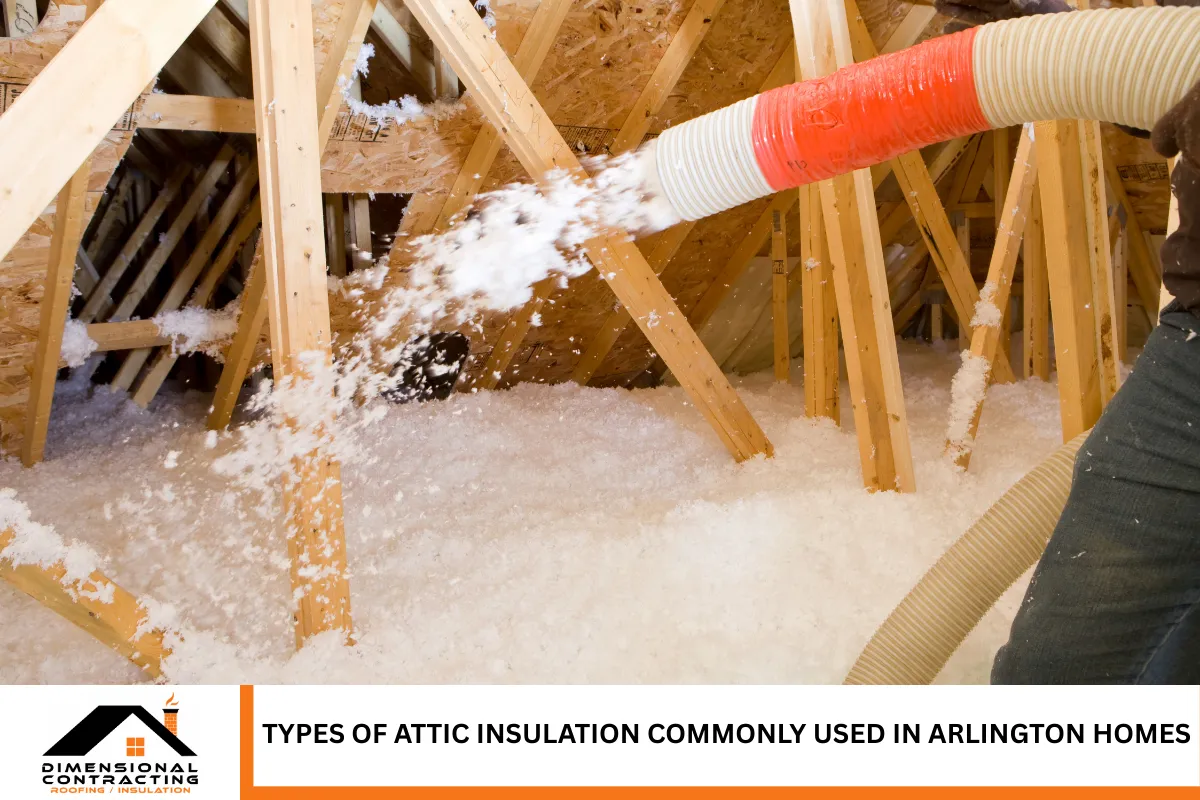
Blown-in insulation, often made from fiberglass or cellulose, is one of the most widely used attic insulations.
Advantages include:
- Excellent coverage for irregular attic spaces
- Ability to fill gaps and hard-to-reach areas
- Faster installation process
- Strong thermal performance
Blown insulation is often installed by a professional attic insulation contractor using specialized equipment that distributes the material evenly across attic floors.
Batt and Roll Insulation
Batt insulation typically comes in fiberglass sheets placed between attic joists.
Benefits include:
- Affordable insulation option
- Suitable for unfinished attic floors
- Easy installation for open spaces
However, proper installation is critical. Gaps or compression can reduce effectiveness. This is why many homeowners rely on a trained attic insulation installer.
Spray Foam Insulation
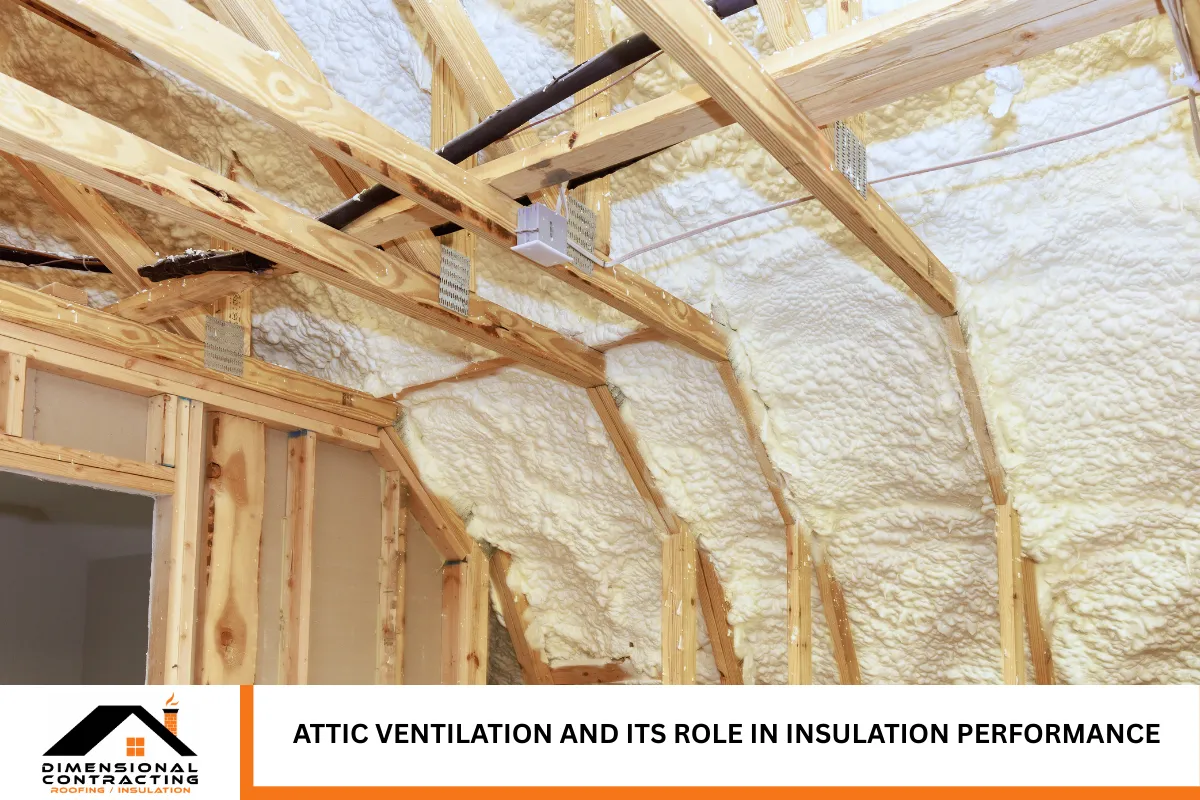
Spray foam insulation expands after application and forms an airtight seal.
Key advantages include:
- Exceptional air sealing performance
- High R-value per inch
- Reduced moisture infiltration
- Strengthened structural support
Spray foam is typically applied by licensed professionals due to specialized equipment and application techniques.
Signs Your Attic Insulation May Need an Upgrade
Many homes in Arlington were built decades ago and may not meet modern energy efficiency standards. Insulation can also deteriorate or settle over time.
Common warning signs include:
- High energy bills without clear cause
- Uneven temperatures between rooms
- Excessive heat in upstairs areas
- Drafts during winter months
- Ice dams or moisture buildup in colder climates
- HVAC system running constantly
An inspection by an attic insulation contractor can determine whether your attic insulations are performing properly or need replacement.
Read Arlington Attic Insulation: How Much R-Value Do You Really Need?
Air Sealing and Insulation: The Perfect Combination
Insulation works best when combined with proper air sealing. Small cracks and gaps around attic openings allow conditioned air to escape.
Common air leakage points include:
- Attic hatches and access doors
- Recessed lighting fixtures
- Electrical wiring penetrations
- Plumbing vents
- HVAC duct connections
An attic insulation installer may seal these gaps before installing insulation materials. This approach significantly improves energy efficiency and comfort.
Attic Ventilation and Its Role in Insulation Performance
Attic ventilation plays a critical role in maintaining insulation performance. Without proper airflow, heat and moisture can accumulate in the attic.
A balanced ventilation system typically includes:
- Intake vents near roof eaves
- Exhaust vents near the roof ridge
- Soffit vents for airflow circulation
Ventilation helps prevent moisture buildup that could damage attic insulations or lead to mold growth.
Texas building codes often require adequate attic ventilation to protect structural components and maintain healthy indoor air conditions.
Moisture Control and Indoor Air Quality
Moisture is one of the biggest threats to attic insulation systems. High humidity levels can reduce insulation performance and encourage mold growth.
Attic insulation helps maintain proper indoor air conditions when combined with ventilation and air sealing.
Benefits include:
- Reduced condensation inside attic spaces
- Lower risk of mold or mildew
- Improved indoor air quality
- Protection for roof decking and structural wood
Professional attic insulation contractors evaluate moisture sources before installing insulation to prevent long-term problems.
Sound Reduction Benefits of Attic Insulation
Insulation also contributes to acoustic comfort inside the home. Dense insulation materials absorb sound vibrations, helping reduce outside noise.
This can be particularly beneficial in urban areas or neighborhoods near highways.
Sound control advantages include:
- Reduced traffic noise
- Less noise transfer between floors
- Quieter indoor environment
- Improved home privacy
Attic insulations with higher density can enhance these soundproofing benefits.
Environmental Benefits of Energy Efficient Insulation
Energy efficiency improvements benefit both homeowners and the environment. When homes require less energy for heating and cooling, they produce fewer greenhouse gas emissions.
Some insulation materials are also made from recycled content.
Examples include:
- Cellulose insulation produced from recycled paper
- Fiberglass insulation containing recycled glass
- Energy-efficient spray foam formulations
Upgrading attic insulation contributes to a more sustainable household by lowering overall energy demand.
Building Codes and Insulation Requirements in Arlington, Texas
Attic insulation installations must follow building guidelines designed to ensure safety and efficiency.
Texas typically follows versions of the International Energy Conservation Code (IECC). These codes outline minimum insulation levels for residential buildings.
Key considerations include:
- Recommended attic insulation R-values between R-30 and R-60
- Proper ventilation requirements
- Fire safety standards for insulation materials
- Compliance with local building inspections when major renovations occur
A professional attic insulation contractor understands these requirements and installs insulation systems that align with regional standards.
Homeowners should always verify permits or inspections when required for larger insulation projects.
Why Professional Installation Matters
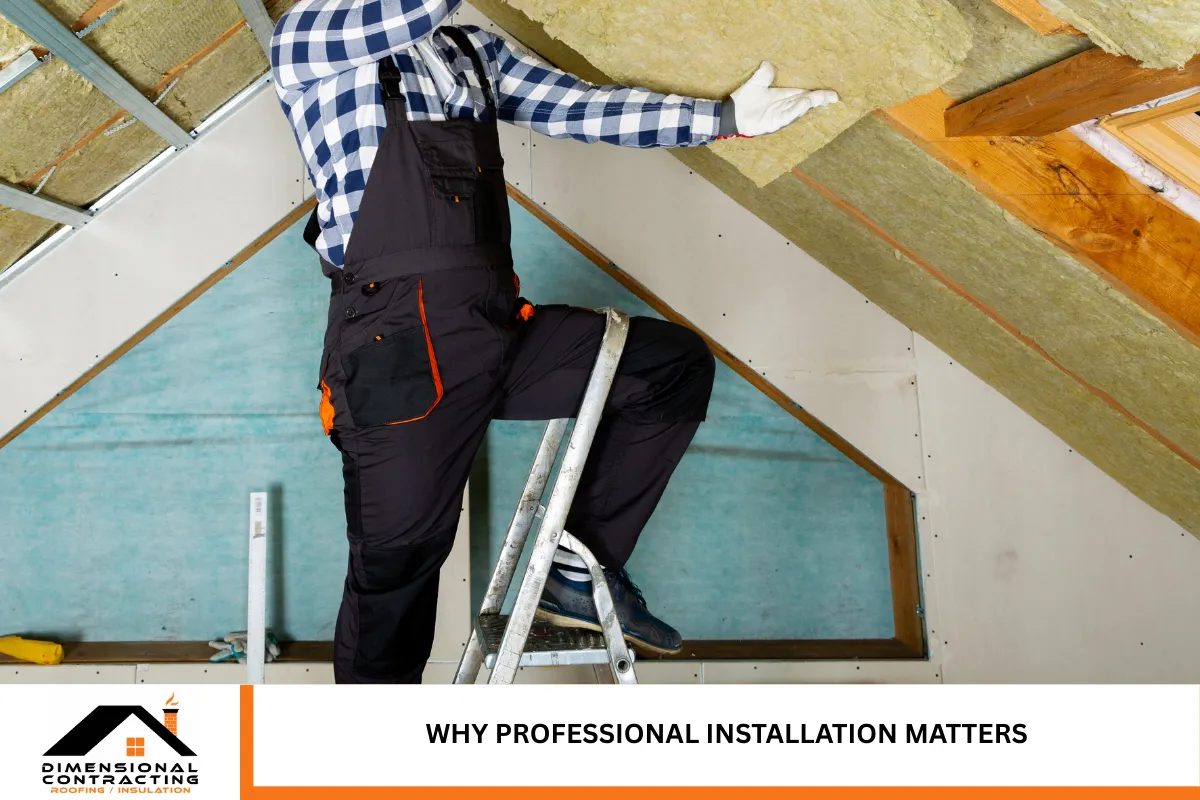
While some insulation projects appear simple, professional installation offers significant advantages.
An experienced attic insulation installer evaluates multiple factors:
- Existing insulation condition
- Structural layout of the attic
- Ventilation performance
- Air sealing opportunities
- Moisture concerns
Professional installation ensures that attic insulations are evenly distributed and meet recommended thickness levels.
This prevents common DIY issues such as:
- Insulation compression
- Uneven coverage
- Blocked ventilation paths
- Reduced insulation efficiency
The result is a system that performs effectively for years.
Long-Term Value for Homeowners
Investing in attic insulation improvements provides long-term benefits beyond immediate comfort.
Advantages include:
- Increased home resale value
- Lower maintenance costs
- Reduced HVAC repair needs
- Improved energy efficiency ratings
- Enhanced indoor comfort
Energy-efficient homes are increasingly attractive to buyers. Well-maintained attic insulation systems can become a valuable selling point.
Homeowners often recover insulation upgrade costs through energy savings over time.
A Smarter Way to Improve Your Home’s Efficiency
Attic insulation remains one of the most cost-effective home improvements available. By reducing energy loss and stabilizing indoor temperatures, insulation protects both comfort and energy budgets.
For Arlington homeowners facing extreme summer heat and fluctuating seasonal weather, high-quality attic insulations make a measurable difference. With proper installation from a skilled attic insulation contractor, your attic becomes an energy-saving shield that works quietly behind the scenes every day.
Maintaining and upgrading attic insulation ensures your home stays efficient, comfortable, and prepared for every season Texas brings.
Arlington Attic Insulation – Dimensional Contracting

When it comes to reliable attic insulation in Arlington, Texas, our team at Dimensional Contracting & Attic Insulation of Arlington is ready to help homeowners improve comfort and energy efficiency. We specialize in professional attic insulations designed to reduce heat transfer, lower energy bills, and protect your home throughout the year. As an experienced attic insulation contractor, we carefully evaluate your attic space, ventilation, and existing insulation before recommending the best solution. Our trained attic insulation installer team focuses on precise installation that meets modern efficiency standards. If your home struggles with uneven temperatures or rising energy costs, we can help. Call us today at (817) 502-9282 or fill out our contact form to schedule your attic insulation consultation.
Frequently Asked Questions
How long does attic insulation typically last?
Attic insulation can last anywhere from 20 to 100 years depending on the material used and environmental conditions. Fiberglass insulation often lasts several decades when properly installed, while cellulose insulation may require occasional replenishment due to settling. Spray foam insulation can last even longer because it bonds directly to surfaces and resists moisture. However, factors like roof leaks, pest damage, and excessive moisture can reduce insulation lifespan. Regular attic inspections help determine whether insulation remains effective. If insulation appears compressed, uneven, or contaminated, homeowners should consider contacting an attic insulation contractor for evaluation and potential replacement.
Can attic insulation help reduce HVAC repairs?
Yes, quality attic insulations can reduce strain on heating and cooling systems. When insulation is insufficient, HVAC systems must run longer cycles to maintain indoor temperatures. This increased workload causes components to wear down faster. By creating a thermal barrier that prevents heat gain or loss, attic insulation allows HVAC systems to operate more efficiently. Reduced system strain often leads to fewer repairs and longer equipment lifespan. Homeowners who upgrade insulation frequently notice improved system performance and reduced maintenance costs. An attic insulation installer can assess whether insulation improvements may help optimize HVAC operation.
What insulation R-value is recommended for homes in Arlington?
Homes in Arlington typically fall within Climate Zone 3, where attic insulation recommendations usually range between R-30 and R-60 depending on attic design and existing insulation. R-value measures insulation’s resistance to heat flow, meaning higher values provide stronger thermal protection. Many modern homes aim for R-38 or higher to maximize energy efficiency. Older homes may have insulation levels well below this range, which can significantly impact energy performance. An attic insulation contractor can measure current insulation depth and determine whether additional material should be added to meet recommended standards.
Is it possible to add insulation without removing existing materials?
In many cases, new insulation can be added on top of existing insulation if the current material is dry, clean, and free of contamination. This process is often called “topping off” insulation. However, if the existing insulation has mold, moisture damage, pest infestations, or significant compression, removal may be necessary before installing new attic insulations. Proper evaluation ensures the new insulation performs correctly and does not trap moisture or reduce airflow. A professional attic insulation installer can determine whether existing insulation should remain or be replaced.
Does attic insulation help prevent roof damage?
Indirectly, attic insulation contributes to roof protection by controlling temperature and moisture levels in the attic. When heat accumulates beneath the roof deck, it can accelerate roof material deterioration. Insulation reduces heat transfer and supports balanced ventilation, which helps prevent excessive heat buildup. Additionally, proper insulation helps prevent condensation that could damage roof decking or structural wood. When insulation works together with ventilation, it supports a healthier attic environment that protects both roofing materials and structural components over time.
Disclaimer: This article is intended for general informational purposes only and should not be considered professional construction, engineering, or legal advice. Building codes, insulation requirements, and permit regulations may vary depending on local authorities in Arlington, Texas. Homeowners should consult qualified professionals or local building departments before beginning insulation projects to ensure compliance with current codes and safety standards.
Read DIY vs. Hiring an Arlington Attic Insulation Installer: Which Saves You More?


