
Attic Insulation Installation in Arlington: Which Job Does Your Attic Need?
If the House Never Cools Down, Start in the Attic
In an Arlington summer the attic sits well over a hundred degrees for most of the afternoon. If the insulation on the attic floor is thin, settled, or missing in places, that heat comes straight through the ceiling. The rooms under it never quite cool down, and the air conditioner runs all day trying to keep up.
Attic insulation installation is not one job. What your attic needs depends on what is already up there. Insulation that is clean and dry but thin gets more blown in on top, even if it has settled. Insulation that is wet, moldy, or full of rodent droppings comes out first and is replaced. When part of the attic is damaged, we check the whole attic before recommending either one. This page helps you work out which of those is yours.
Dimensional Contracting has insulated Arlington and Tarrant County attics for more than 20 years, and we measure the attic before we quote anything.
Which Job Is Yours?
Clean and dry, but thin, settled, or you can see the tops of the joists? More goes on top. See add more attic insulation.
Wet, moldy, or rodents have been in it? It comes out first, then new insulation goes in. See attic insulation replacement. If you only want the old material gone, see insulation removal.
Damaged or disturbed in one part of the attic? We look at the whole attic before deciding. Depending on the condition of what is there, it is either more insulation across the whole floor or a removal and replacement. We insulate whole attics and do not take small patch jobs.
Want to know how the insulation goes in? See blown-in attic insulation. It is how we install almost everything.
Not sure? Call (817) 502-9282 and describe what the house is doing. We come out, measure the attic, and tell you which job it is.
What Attic Insulation Installation Involves
Adding More to What Is There
For attics where the insulation is clean and dry but thin or settled. New blown-in goes over the old layer and brings the whole floor up to the depth the attic needs. Nothing gets hauled away, so it usually costs less than the other option. See add more attic insulation.
Removing It and Starting Over
For insulation that is wet, moldy, or full of droppings. The old material comes out, the attic gets cleaned, and new insulation goes in to the right depth. See attic insulation replacement, or insulation removal for the first half of that job on its own.
Damaged or Disturbed Insulation
We insulate whole attics and do not take small patch jobs. When part of an attic is damaged or disturbed, by a roof leak, an animal, or someone crawling through to run wiring, we check the existing insulation first, then recommend adding more insulation or removing and replacing it, depending on its condition. Either way the whole attic ends up at one even depth.
How the Insulation Goes In
Almost everything we install is blown-in fiberglass or cellulose. Loose fill lands in every corner and around wiring, pipes, and framing without the gaps batts leave. Batts go where they fit better, such as a knee wall. See blown-in attic insulation.
Air Sealing Comes First
Insulation slows heat. It does not stop moving air. Gaps around the attic hatch, the top plates, and recessed lights let cooled air escape into the attic, so we seal what we can reach with foam sealant and caulk before any insulation goes in. See attic air sealing.
Ventilation Works With It
New insulation must not bury the soffit vents, so baffles go in at the eaves before we blow. While we are up there we check how air gets in and out of the attic, because a hot attic is sometimes an airflow problem rather than an insulation problem. See attic ventilation.
How We Work Out What Your Attic Needs
-
We get in the attic and measure. The depth in several places, not just the spot by the hatch, and the reasons it is thin: air leaks, wet spots, areas that were disturbed.
-
We check the condition of what is there. Clean and dry means it can stay and be added to, settled or not. Wet, moldy, or contaminated means it comes out.
-
You get a written estimate. It says what we found, which job the attic needs, and what it costs. If the old layer has to come out, you hear that before any price.
-
We do the job the attic needs. More insulation over the top, or a removal and replacement. Then we show you the finished depth before we pack up.
/ FAQS
Frequently Asked Questions
How much does it cost to insulate an attic in Arlington?
It depends on the square footage, how much insulation is up there now, whether anything has to come out first, and how much air sealing the attic needs. Adding to clean existing insulation is the low end. Removal plus new insulation is the high end. We measure the attic and give you a written estimate, not a range off the phone.
How much insulation does an attic need in North Texas?
Tarrant County is in climate zone 3. For that zone, ENERGY STAR recommends bringing an attic with little or no insulation up to R-49, and adding R-38 on top of an attic that already has 3 to 4 inches. Those figures follow the 2021 energy code table and are recommendations for existing homes, not a code requirement. Most older attics we see are well short of either. We measure what you have, work out what it is worth, and tell you the gap.
Do I have to remove the old insulation before adding new?
Not if it is clean and dry. New blown-in goes right over it, and insulation that has settled or packed down can still be topped up if its condition is fine. If it is wet, moldy, or rodents have been in it, it comes out first, and the job becomes a replacement.
Fiberglass or cellulose: which is right for your attic?
Both work well in North Texas attics. Fiberglass does not soak up moisture the way cellulose can, and it settles very little. Cellulose packs a little denser and settles some over the first few years, so we blow it deeper to allow for it. Neither one belongs in a damp attic, so if we find moisture the leak gets fixed first. We look at your attic and tell you which one fits.
What are the signs an Arlington home needs new attic insulation?
Rooms that run hot in summer and cold in winter no matter what the thermostat says. Cooling bills that climb year after year. Drafts around ceiling fixtures. Sounds or smells from the attic, which often mean pests have been in the insulation. Stains on the ceiling or a musty smell, which point to moisture. And age: insulation that went in decades ago has usually settled well below what the house needs.
Can damaged attic insulation be repaired in one spot?
No. We insulate whole attics and do not take small patch jobs. If part of your attic is damaged or disturbed, we check the existing insulation and recommend adding more across the whole floor or removing and replacing it, depending on its condition.
A Finished Attic, and What Homeowners Said

Billy and the team did a great job. They were punctual and efficient for the insulation install. I’ve already noticed how much the insulation has helped keep my attic/house cooler!
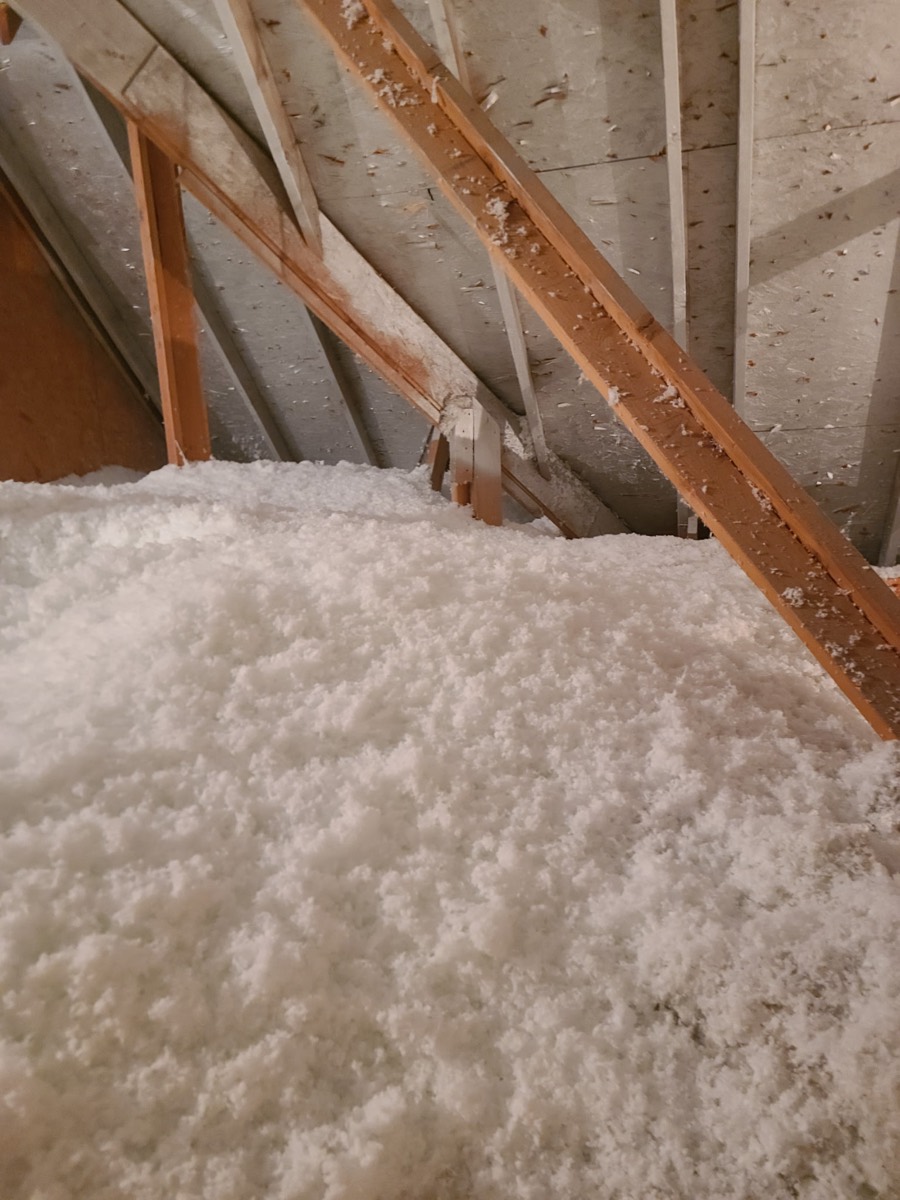
Highly recommend. Very professional team. They were organized, Paid attention to the details. Exceptional removal of insulation fully cleaned out our attic!! Then blew in new insulation ~ looks like snow!
Areas We Serve
Hot House, Thin Attic? We Measure Before We Quote
Call and we will come look at the attic. You get the depth that is there, the depth it should be, and a written estimate for closing the gap, whether that means adding more or starting over.
Arlington and Tarrant County, on existing homes, for more than 20 years.