


Are you tired of high energy bills and uncomfortable temperature swings in your home? Proper attic insulation is one of the most effective ways to improve energy efficiency, enhance comfort, and reduce utility costs year-round. But choosing the right attic insulation contractor is crucial to ensure the job is done correctly, safely, and in compliance with local codes. This comprehensive guide will walk you through everything you need to know—from why attic insulation matters and the types of insulation available to the step-by-step installation process and how to select a trusted professional. Whether you’re upgrading old insulation or insulating a new attic, understanding these key factors will help you make informed decisions that save money and increase your home’s value. Let’s explore how a skilled attic insulation contractor can transform your living space and protect your investment.
Key Takeaways
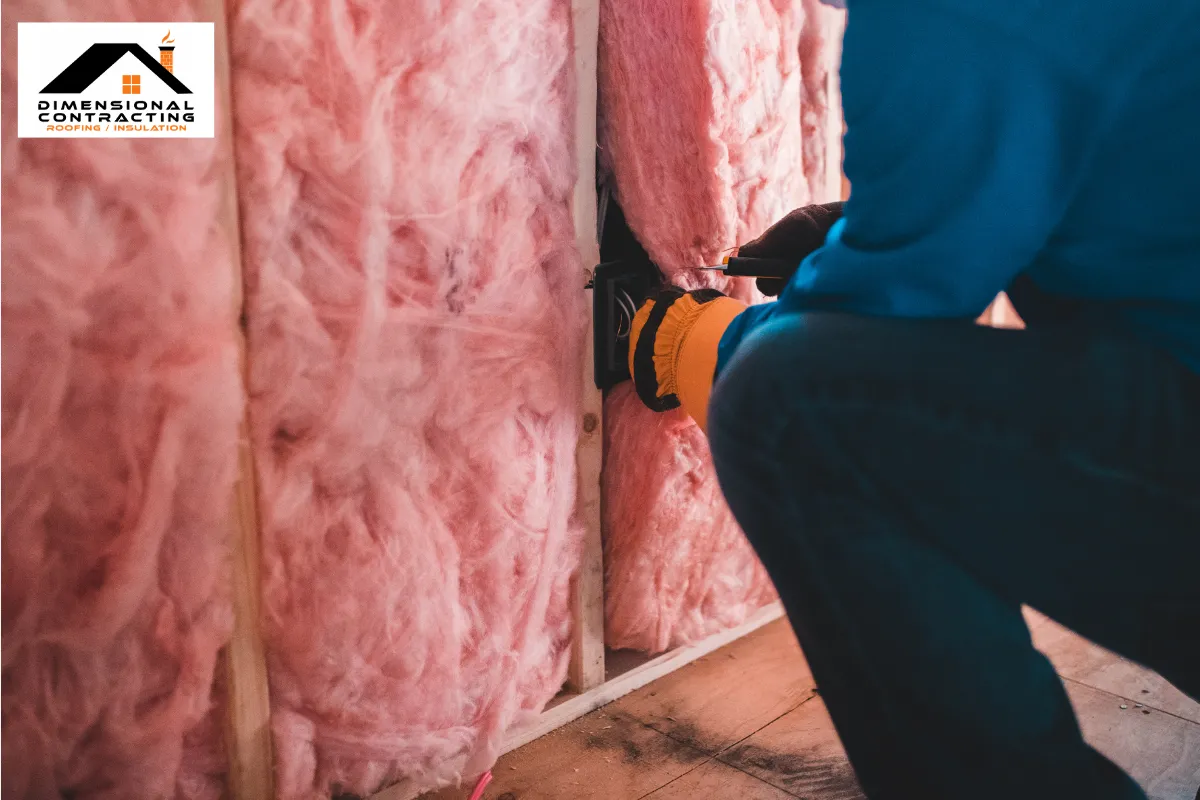
A professional attic insulation contractor can lower your heating and cooling bills within one season—often by 10-25%. Most U.S. homes built before 2010 are under-insulated, causing significant energy loss through the roof.
- A good contractor does more than add materials—they inspect, emphasize sealing attic holes and gaps before adding insulation, choose the right R-value, and verify local code compliance
- Homeowners should always verify licensing, insurance, references, and written warranties before hiring
- Many regions offer rebates and tax credits (U.S. federal energy credits remain active in 2026) that a knowledgeable contractor can help you claim
- Get at least three written bids that clearly break down material type, R-value, specific air sealing tasks, and project timeline
- Request an R-value fact sheet from your contractor to better understand the heat resistance of the proposed insulation
- Attics account for up to 25% of a home’s heat loss in winter, making proper insulation critical
- Look for a contractor with a professional, experienced team to ensure courteous service and reliable installation quality
- Ask for a customized insulation plan tailored to your home’s layout and specific energy needs
- Professional installation quality matters as much as the material chosen
What an Attic Insulation Contractor Does
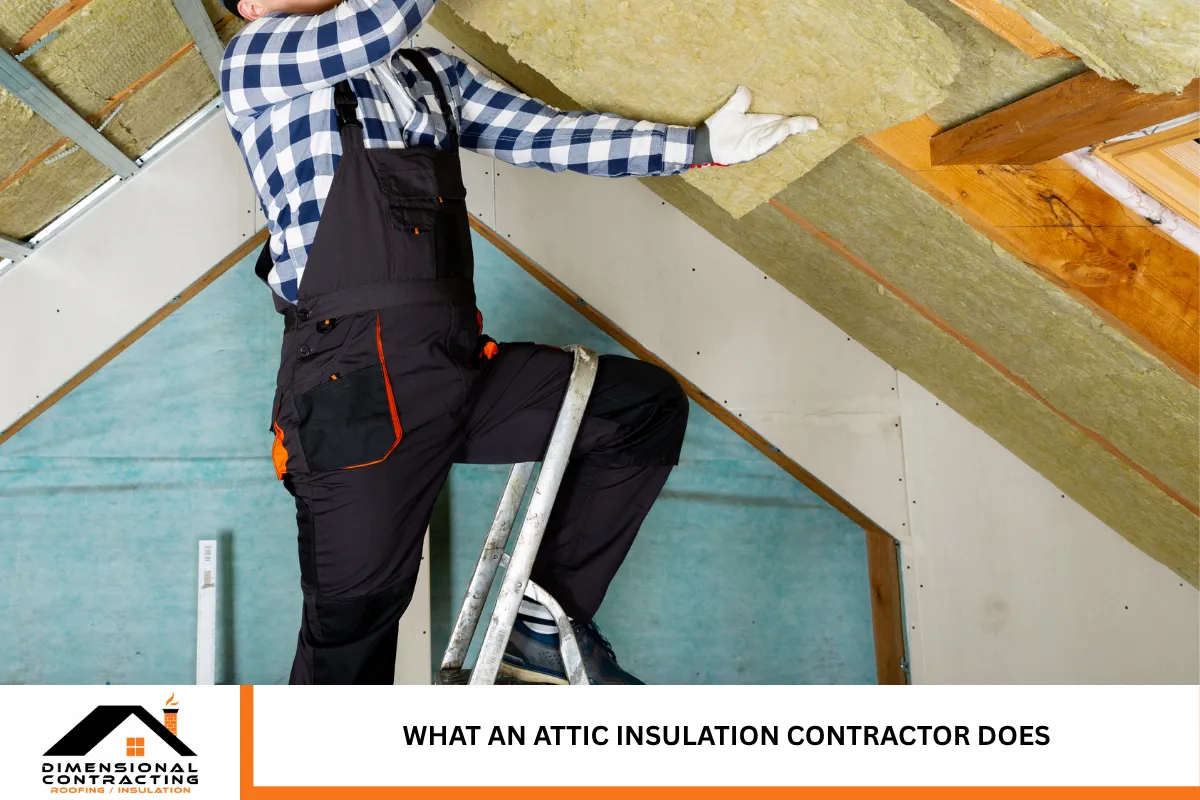
An attic insulation contractor is a licensed professional who inspects, designs, and installs insulation systems specifically in attic and roof assemblies. These specialists handle both new installations and retrofit projects in existing homes, including removal of damaged or contaminated materials when necessary. A professional team works together to ensure all aspects of the job are completed efficiently and thoroughly.
Core responsibilities include:
| Task | Description |
| Inspection | Evaluate current insulation depth, moisture damage, mold, pest contamination. Contractors should perform a full inspection, often using a blower door test, to diagnose specific needs. |
| Air sealing | Seal penetrations around plumbing stacks, electrical wires, top plates |
| Ventilation check | Assess soffit and ridge vents for proper airflow |
| Installation | Deploy blowing machines or spray foam rigs with precise depth monitoring. Contractors should install insulation baffles to ensure proper airflow and prevent moisture issues. |
| Documentation | Provide photos, written scope, and final R-value records |
Full-service contractors also coordinate air sealing, minor duct repairs, and basic pest exclusion. Reputable firms document work thoroughly for homeowner records and potential rebate claims.
Why Attic Insulation Matters for Your Home
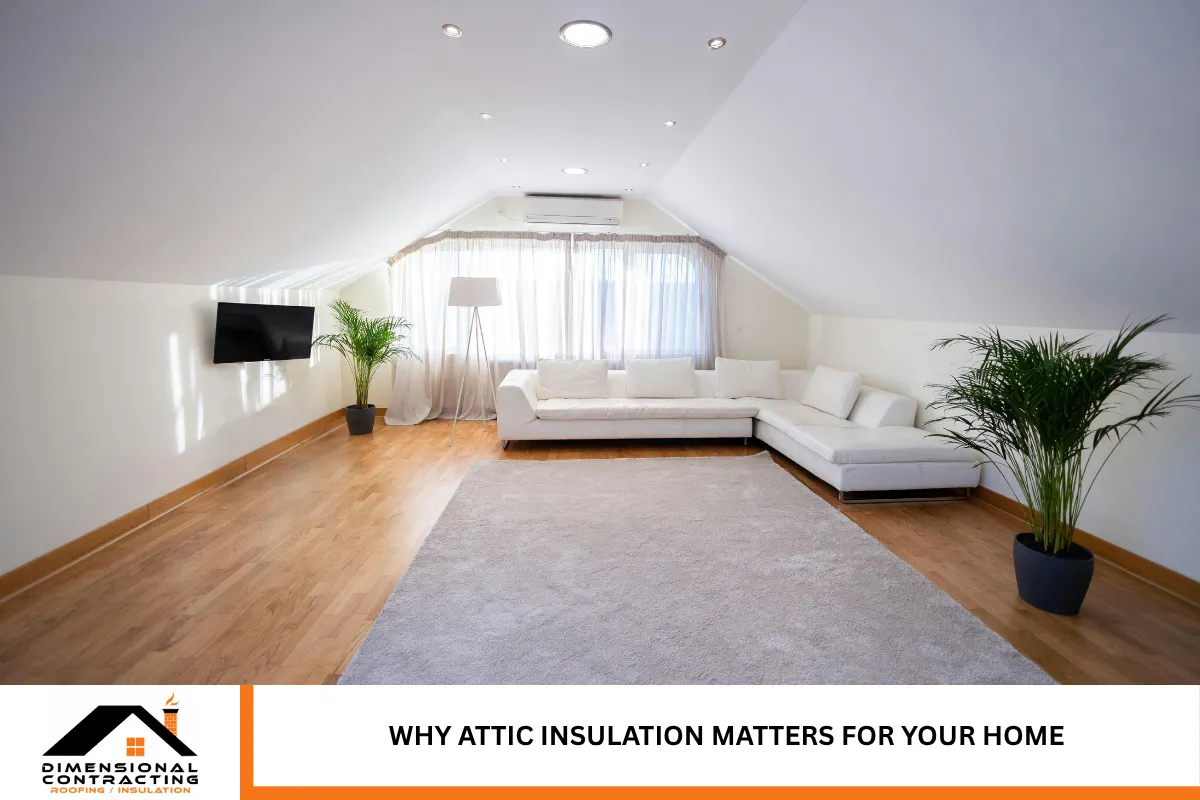
Heat rises via convection, making your attic the single biggest source of winter heat loss and summer heat gain in a typical house. According to DOE guidance, most homes need R-38 to R-60 in the attic, yet homes built before 2000 often have less than R-19.
Actual savings and comfort improvements from hiring an attic insulation contractor depend on factors such as your home’s current insulation, usage patterns, and HVAC efficiency.
Key benefits of proper attic insulation:
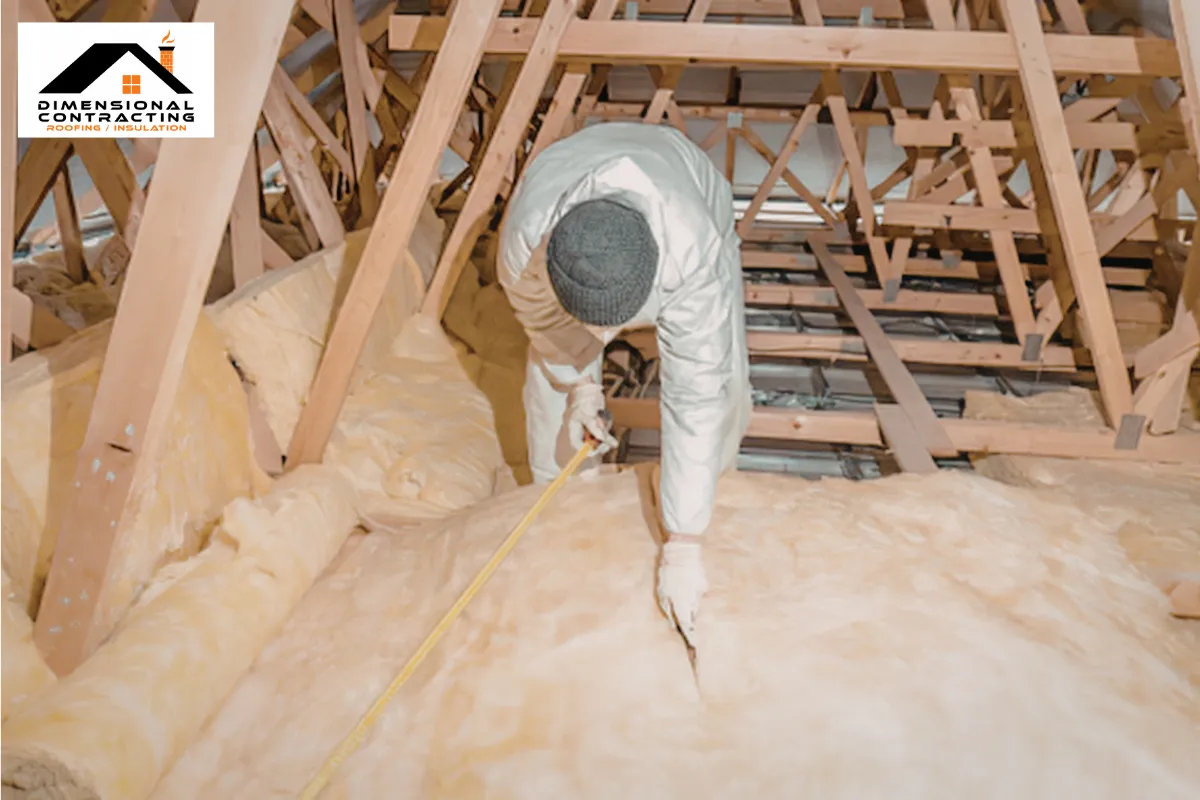
- Lower monthly energy costs (10-25% reduction typical)
- More consistent temperature between floors
- Reduced strain on furnaces and air conditioners
- Attic insulation can help lower your winter heating and summer cooling energy bills
- Attic insulation can reduce strain on your heating and cooling systems
- Noise reduction from outside, rain, and wind
- Attic insulation can help reduce outside noise
- Eliminated drafts and hot/cold spots
Additional advantages include improved indoor air quality when air leaks are sealed, reduced condensation and mold risk, and potential increase in resale value—energy-efficient homes can command 3-5% premiums.
Types of Attic Insulation Contractors Install
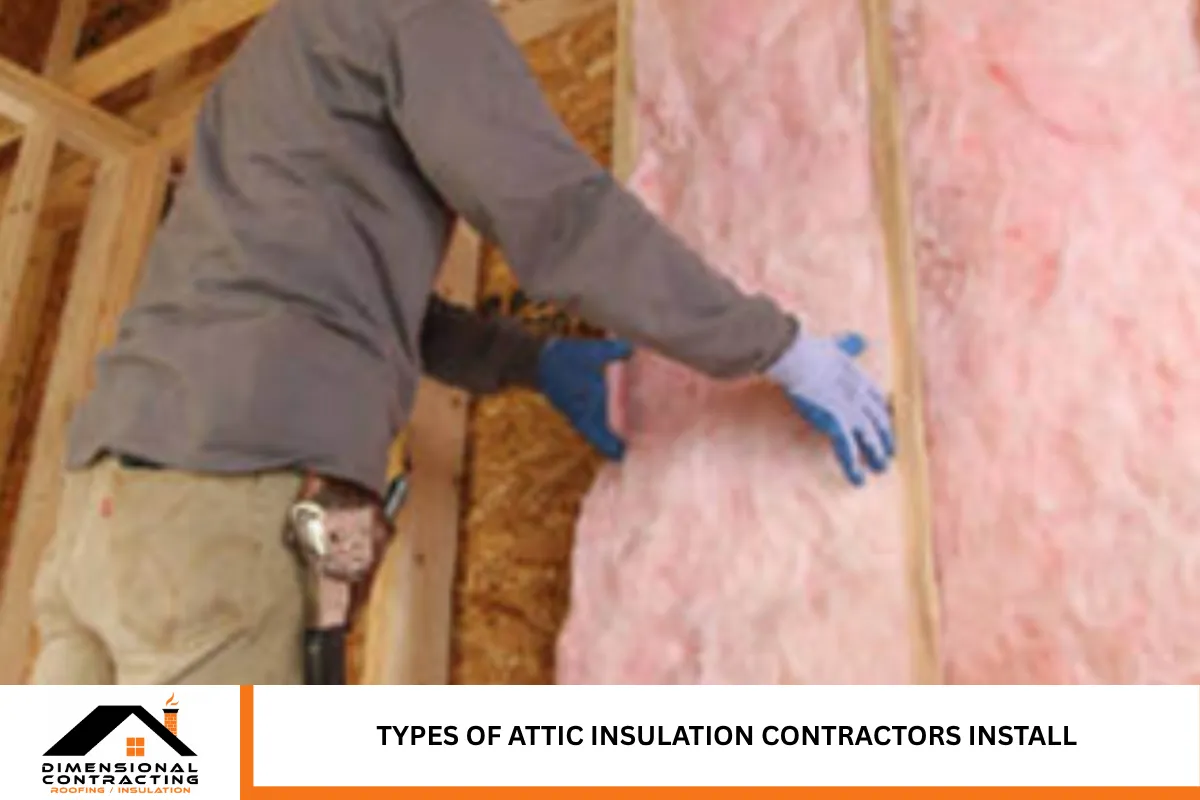
Professional contractors work with multiple insulation materials and select the right kind of insulation for your home based on efficiency, comfort, and other needs, considering factors like climate zone, attic design, budget, and existing conditions. The key metric is R-value—thermal resistance measured in hours × square foot × °F per BTU.
Common attic insulation options include fiberglass, spray foam, and cellulose. A good contractor should be able to discuss and install various types of insulation, including fiberglass, cellulose, and spray foam.
A contractor should explain which material works best for your specific home, whether you have tight, low attics or open truss spaces. Professional installation quality—even coverage, correct depth, no compression—matters as much as the products chosen.
Blown-In Fiberglass and Cellulose
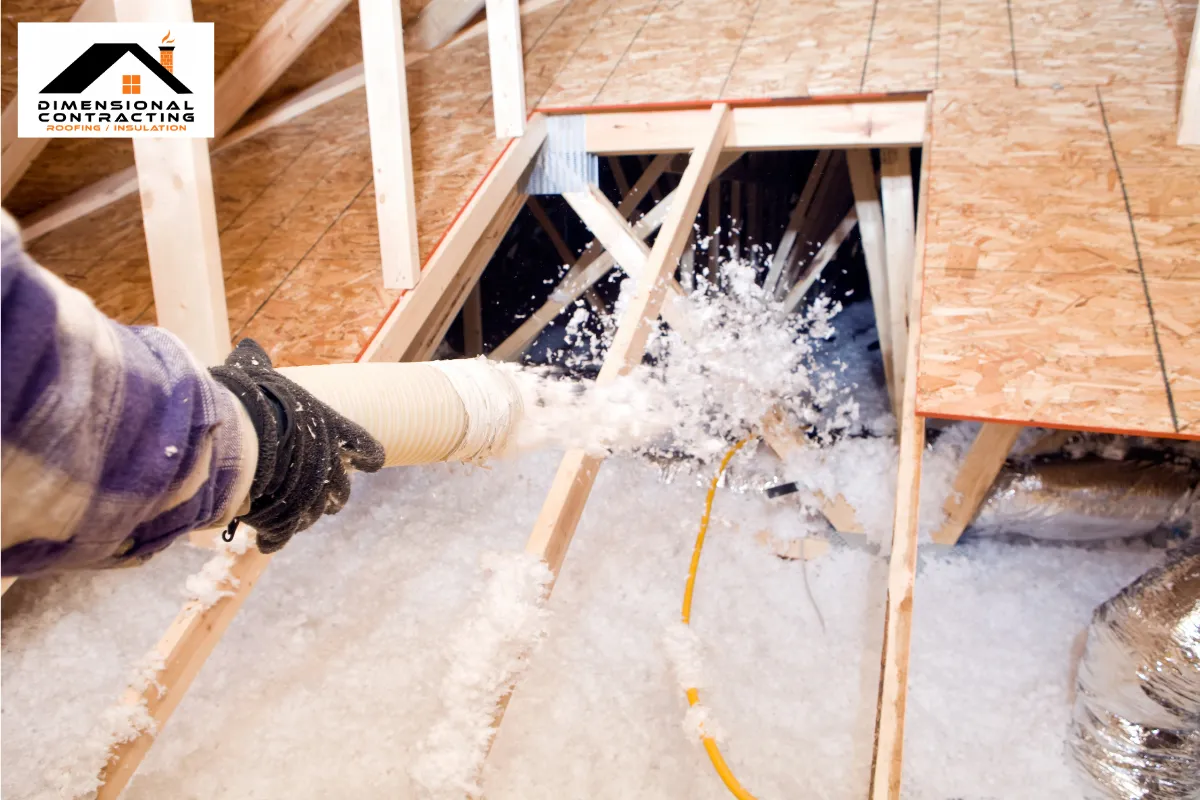
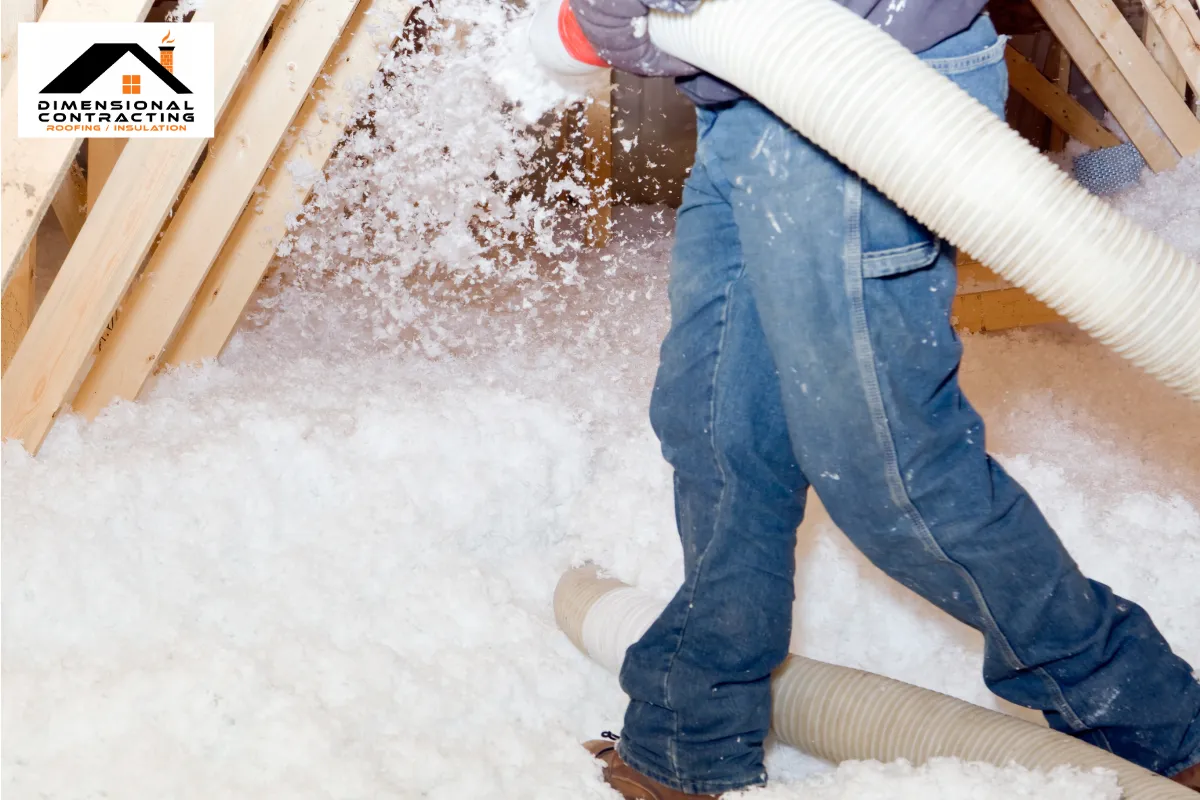
Blown insulation is the most common retrofit solution because it quickly covers large areas and fills gaps that batts cannot reach.
Blown-in fiberglass: Light, non-settling, with R-values around 2.2-2.7 per inch. Ideal for adding over existing insulation, a crew can cover 1,000-2,000 square feet per day.
Blown-in cellulose: Made from 80%+ recycled paper treated with borate fire retardants. Offers R-3.2-3.8 per inch with superior air-retarding density. Good for older homes and provides incidental pest deterrence.
Contractors measure and mark depth rulers before installation to ensure the final R-value matches the written estimate. They install insulation dams around attic access hatches and recessed lights to maintain uniform, safe coverage.
Fiberglass Batts, Spray Foam, and Mineral Wool
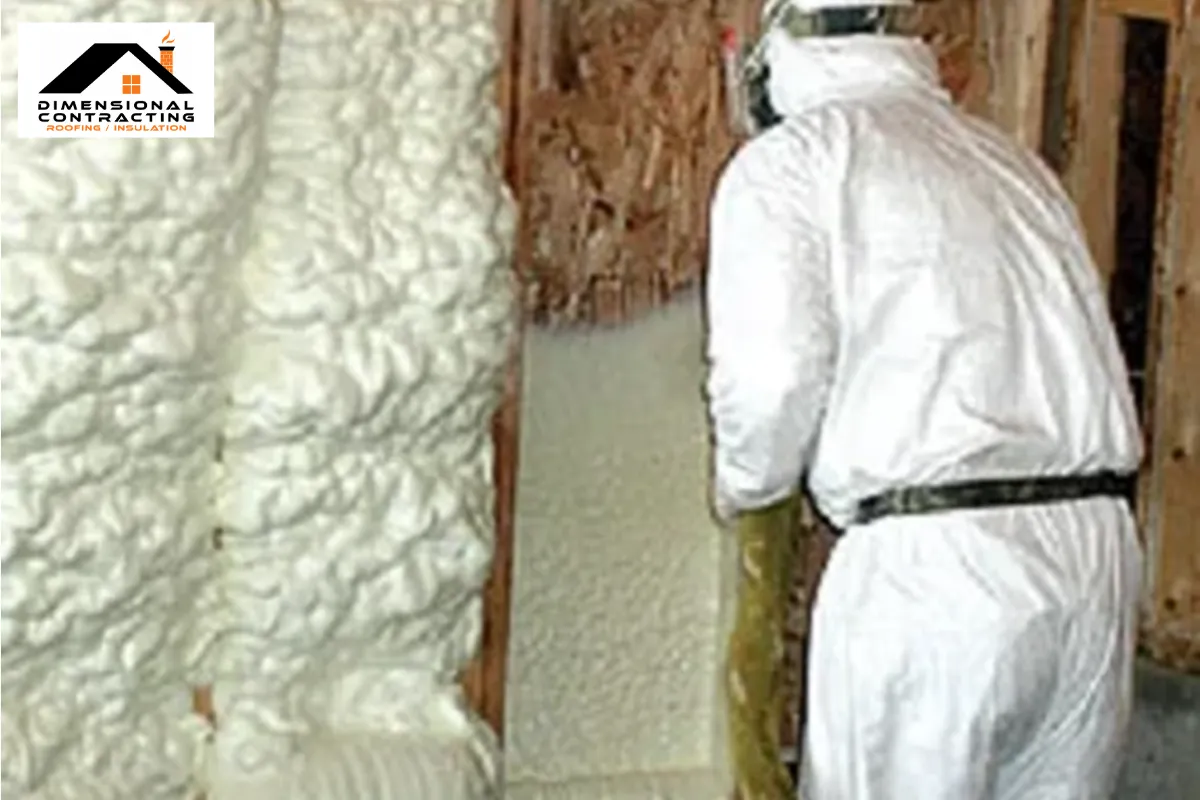
Some attics are better suited to batts or foam, especially in new construction or when treating the roof deck directly.
Fiberglass batts: Cost-effective for open joist bays with regular framing. Requires careful cutting to avoid 15-20% gaps that undermine performance.
Spray foam: Open-cell (R-3.5-3.8/inch) offers flexible air sealing. Closed-cell (R-6-7/inch) provides structural rigidity and superior moisture resistance for conditioned attics.
Mineral wool: R-4 per inch with excellent fire resistance (non-combustible up to 2,000°F). Often used around chimneys and walls requiring higher temperature tolerance.
A qualified contractor will recommend mixing types when appropriate—such as foam air-sealing at penetrations combined with blown fill.
How a Professional Attic Insulation Job Works (Step-by-Step)

The attic insulation installation process begins with a free inspection to assess the current insulation and identify any gaps or damage. After the inspection, a customized insulation plan is developed based on the home’s layout and energy needs. Most residential attic insulation projects take one day for an average 1,500-2,000 sq. ft. home. The contractor follows a structured process: inspection, proposal, scheduling, preparation, installation, and final walkthrough. During installation, new insulation can be added over existing material or after removal, depending on the condition of the current insulation.
Step 1: Attic Inspection and Evaluation
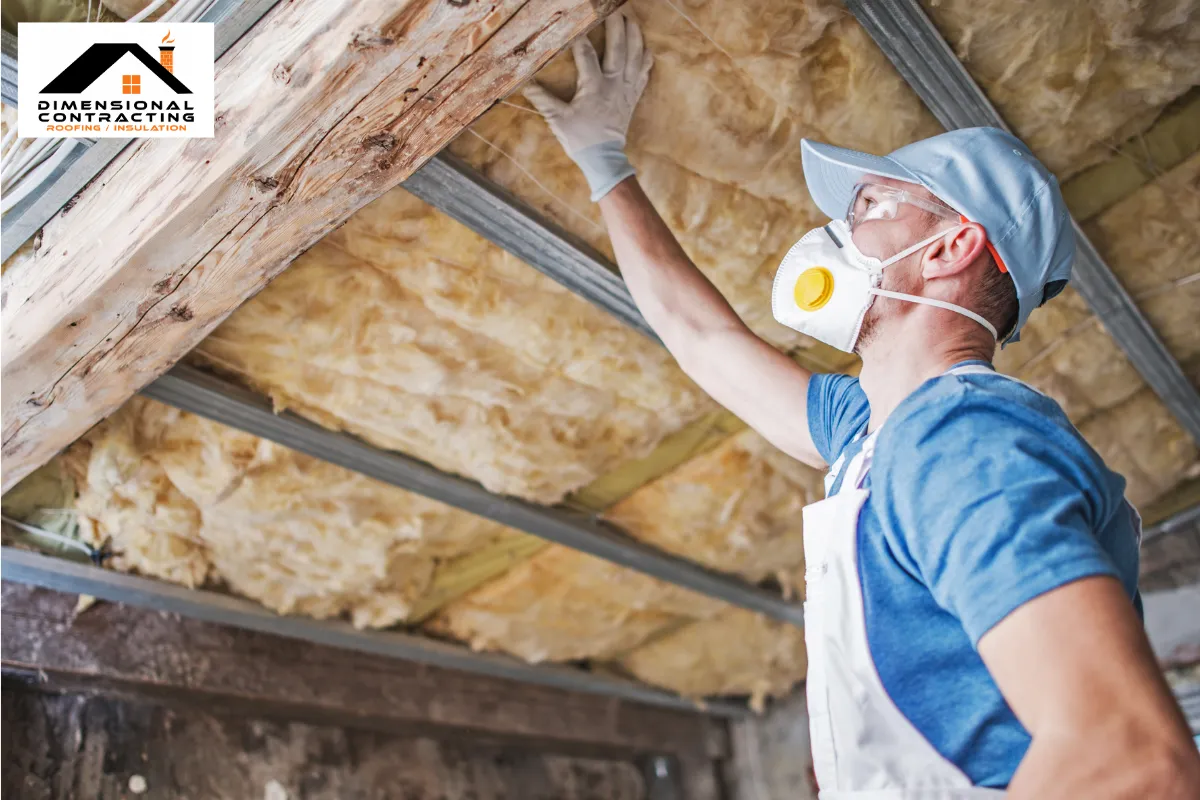
The contractor starts with a visual inspection typically lasting 30-60 minutes. They check existing insulation depth, moisture signs, mold, pest droppings, damaged ducts, recessed lighting types, and ventilation paths.
Some contractors use thermal imaging to locate major heat transfer areas and air leaks. The inspection results in a written summary explained in plain language.
Step 2: Customized Insulation Plan and Quote
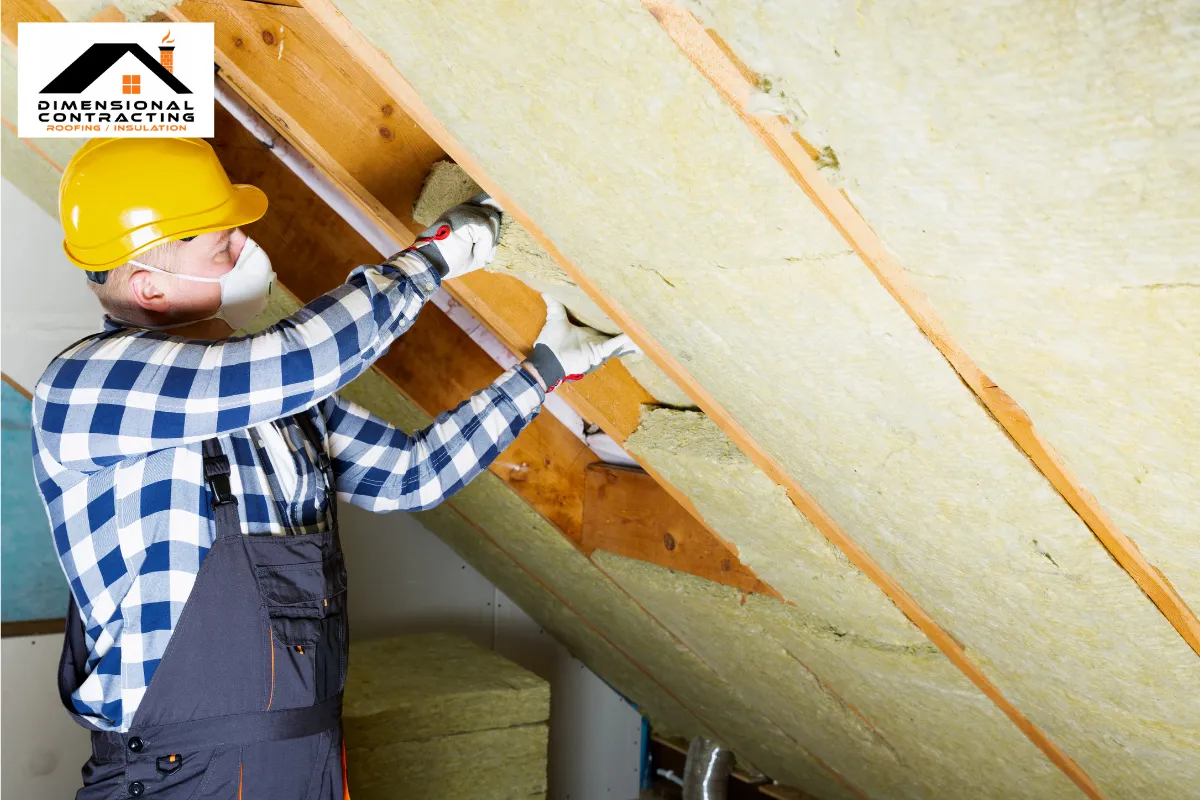
The contractor converts findings into a specific plan: target R-value, insulation type, estimated square footage, and whether old insulation removal is needed.
The written quote should detail:
- Labor and materials
- Removal and disposal fees
- Optional upgrades (air sealing, duct sealing)
- Applicable permits
- Available utility rebates and tax credits
Compare at least two quotes, looking beyond pricing to assess scope and warranty coverage.
Step 3: Home and Attic Preparation
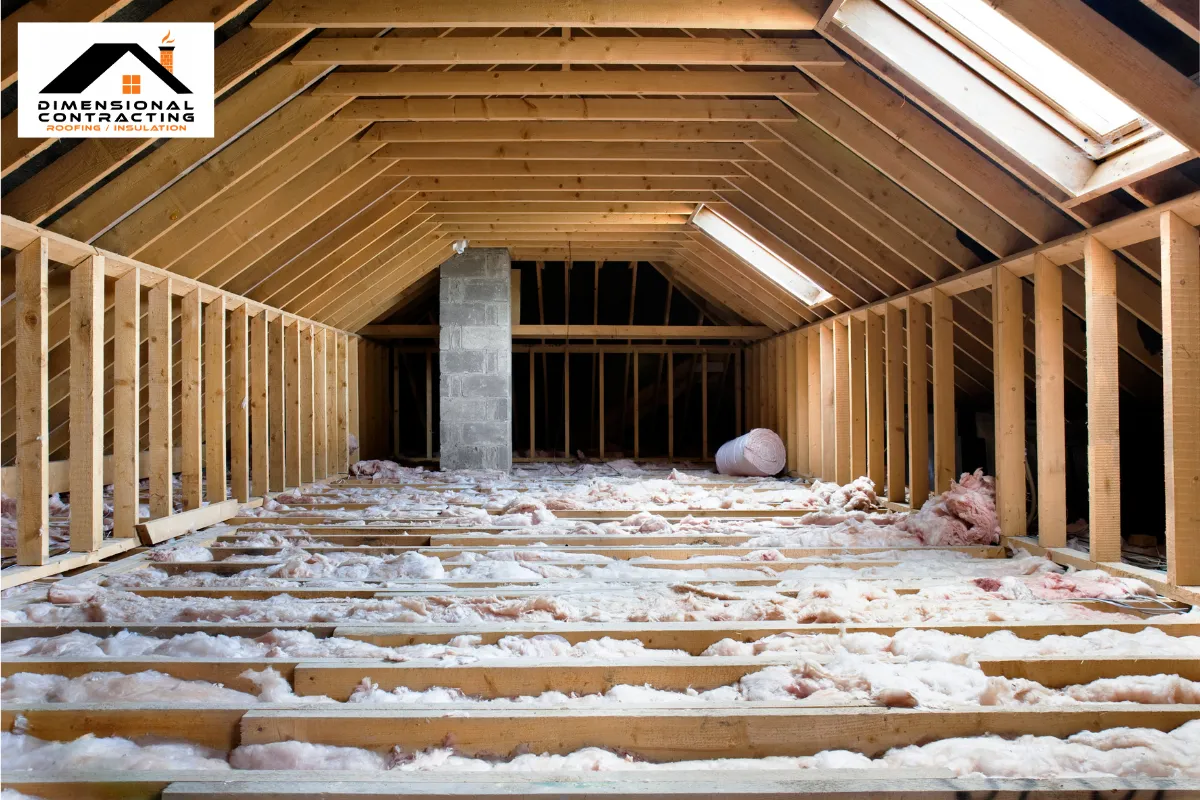
On installation day, the crew protects your home with runners and plastic sheeting. The crew may use the garage for equipment access and will ensure ladders and tools are safely organized in the garage during the project. Attic prep includes sealing air leaks, installing baffles at soffit vents, and building dams around access hatches.
If removal is needed due to rodent contamination or fire damage, contractors use specialized vacuum equipment vented externally. The crew leader should review the complete project plan with you before starting.
Step 4: Professional Installation and Clean-Up
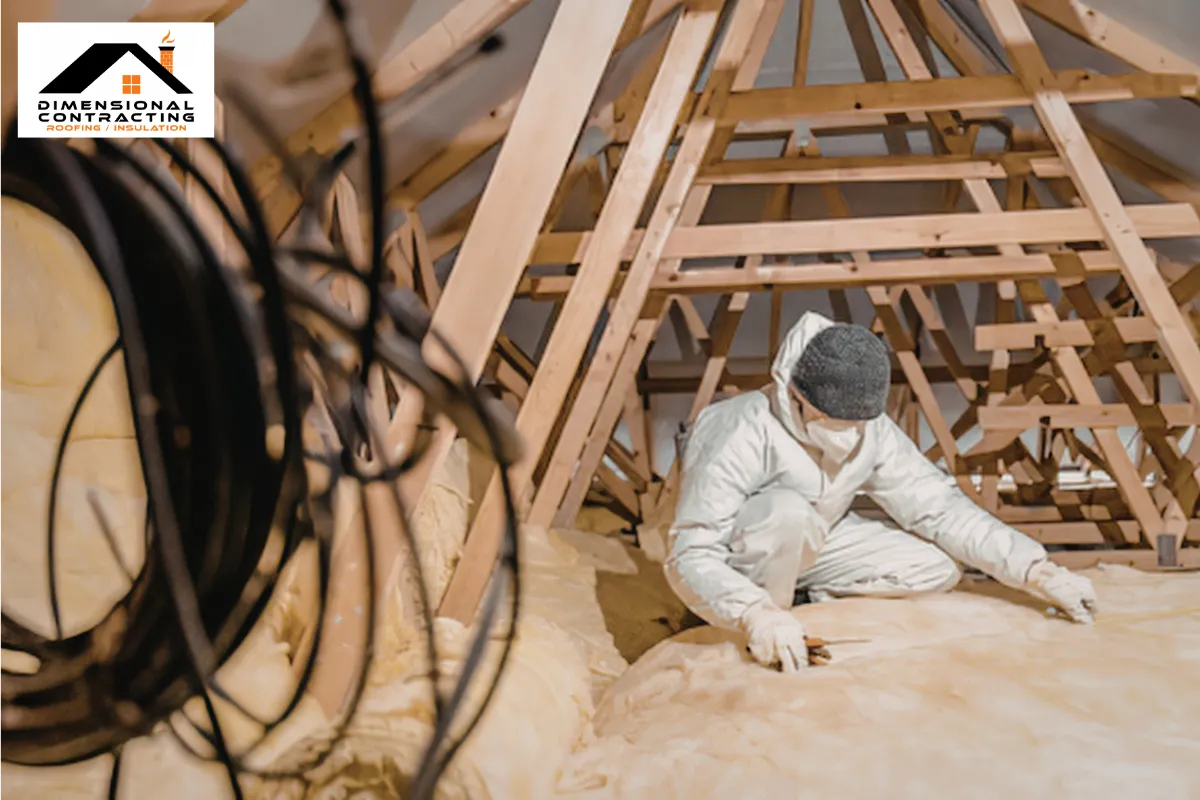
Installers set up blowing machines outside and run hoses to the attic, monitoring depth markers to save coverage targets. They avoid blocking ventilation and maintain clearances around non-IC-rated recessed fixtures.
After installation, the crew cleans the work area and provides a completion summary with final R-value, material type, and photos. Schedule a walkthrough to verify work matches the proposal before final payment.
How to Choose the Right Attic Insulation Contractor

Choosing the right contractor is as critical as choosing the right material. This is a long-term investment in your home’s comfort and efficiency. When hiring an attic insulation contractor, always prioritize licensed and insured professionals with strong local references, and ensure they focus on air sealing gaps before installing insulation for maximum effectiveness.
Selection criteria:
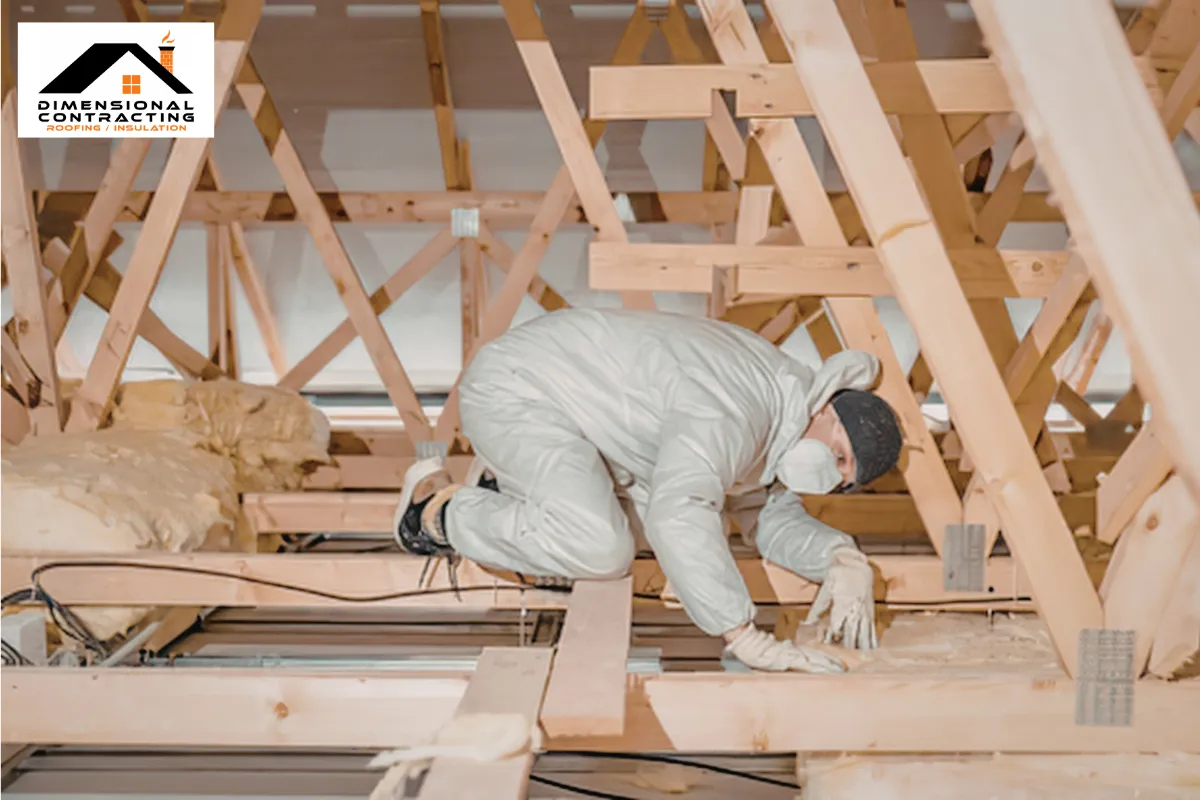
- Proper licensing and insurance (general liability plus workers’ comp); licensed contractors must carry both to protect your property and liability
- Licensed contractors follow local building codes and energy regulations to ensure compliance and pass inspections
- Experience with attics in your specific region
- Familiarity with local building codes and utility rebate programs
- Full attic assessments, not just square footage quotes
- Ask for customer references to gauge reliability and quality of work
- Hiring a professional contractor and their dedicated team provides better performance, safety, and long-term savings compared to DIY projects
- Professional contractors can help lower utility bills and improve home comfort due to their expertise in energy efficiency and compliance with local codes
- Avoid contractors who do not mention air sealing gaps before installing insulation, as this can reduce insulation effectiveness
Some companies focus on attics and crawl space insulation specifically, while others bundle services with pest control or HVAC work. Prioritize clear communication and detailed written estimates. A professional team ensures quality and reliability throughout the project.
Questions to Ask Before You Hire
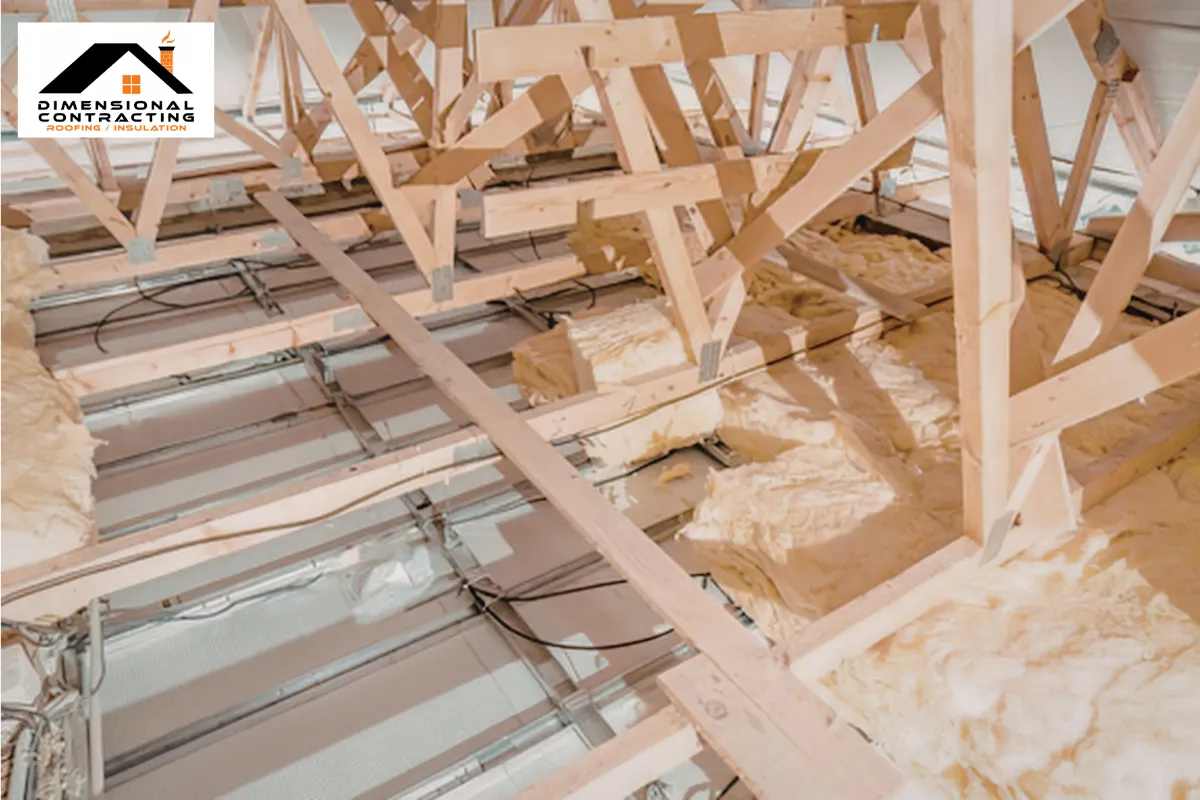
Use this checklist when talking to potential contractors:
- How many attic projects do you complete per year?
- What insulation types do you recommend for my home and why?
- What R-value will you achieve?
- Are you licensed and insured?
- Can you provide recent local references?
- Will you pull permits if required?
- How do you protect my home during installation?
- What warranty terms do you offer?
Red Flags and Mistakes to Avoid
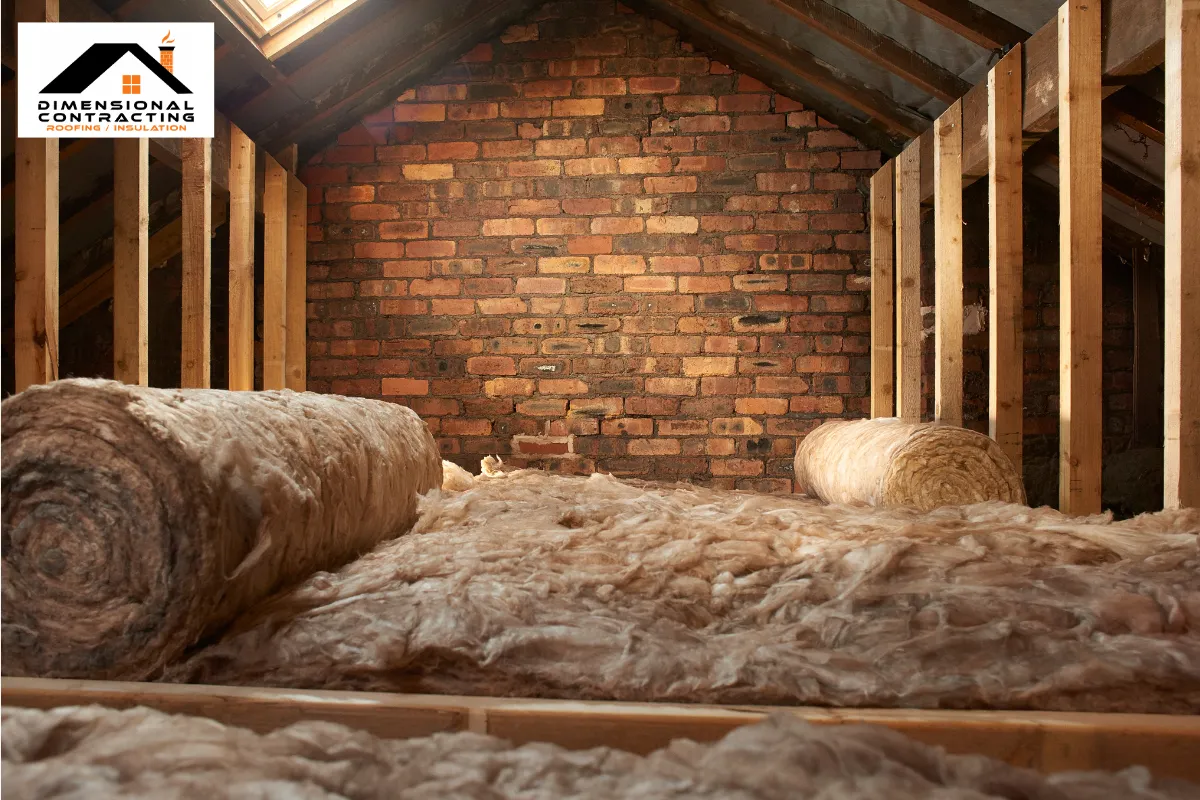
Watch for these warning signs:
- Quotes given sight-unseen without attic inspection
- Unwillingness to put details in writing
- Pressure tactics to “sign today” for discounts
- Contractors who cannot explain R-values or building codes
- Unrealistically low bids omitting air sealing or clean-up
- No workers’ compensation or liability insurance
Costs, Savings, and Incentives
Costs and savings from hiring an attic insulation contractor depend on factors such as home size, existing insulation, and the type of insulation chosen. Costs vary by region, attic size, existing conditions, and insulation type. Many projects pay back through energy savings within 3-7 years.
Professionals can also provide access to government rebates and tax credits that DIY installations may not qualify for. Home Insulation Contractors provides insulation services for both homeowners and commercial contractors and has been in business since 1969, emphasizing customer service. Homeowners are encouraged to compare quotes from different insulation contractors to find the best service for their needs. Many insulation contractors offer a variety of insulation products, including blown-in insulation and spray foam, and often provide additional services such as air sealing and pest control.
| Home Size | Typical Cost Range |
| Small attic | $2,000-$5,000 |
| Medium attic | $5,000-$10,000 |
| Large attic with removal | $10,000+ |
Additional costs may include air sealing ($350-$1,500) and ventilation upgrades. As of 2026, U.S. federal energy-efficient home improvement credits cover up to 30% or $1,200 annually under Inflation Reduction Act extensions. A knowledgeable contractor can guide customers through rebate paperwork.
Arlington Attic Insulation Contractor – Dimensional Contracting
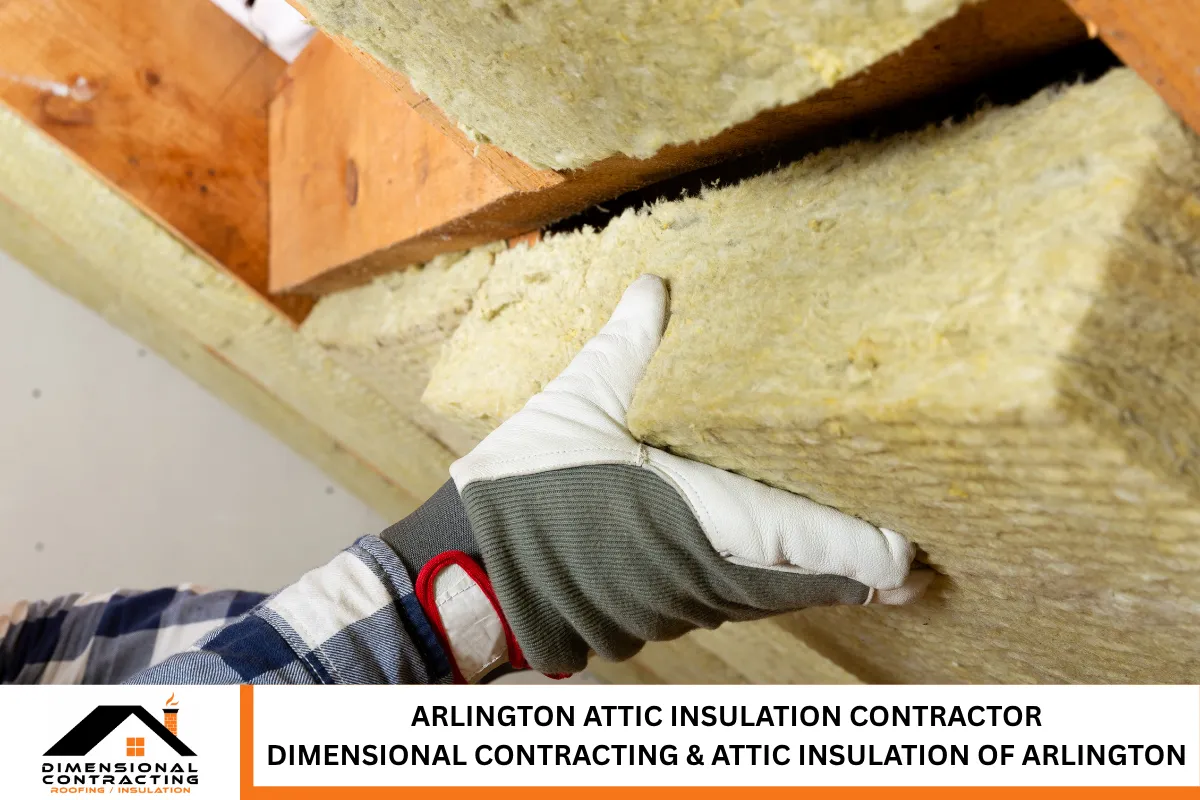
At Dimensional Contracting & Attic Insulation of Arlington, we are your trusted attic insulation contractor dedicated to improving your home’s energy efficiency and comfort. We understand how crucial proper attic insulation is to lowering your energy bills and maintaining consistent indoor temperatures year-round. Our licensed and insured team provides thorough inspections, expert air sealing, and professional installation tailored to your home’s specific needs. We prioritize quality workmanship and compliance with local building codes to ensure lasting results. Don’t let energy loss through your attic cost you more—call us today at (817) 502-9282 or fill out our contact form to schedule your free inspection. Let Dimensional Contracting & Attic Insulation of Arlington protect your investment and enhance your home’s comfort.
FAQ: Attic Insulation Contractor
How do I know if I need to upgrade my attic insulation?
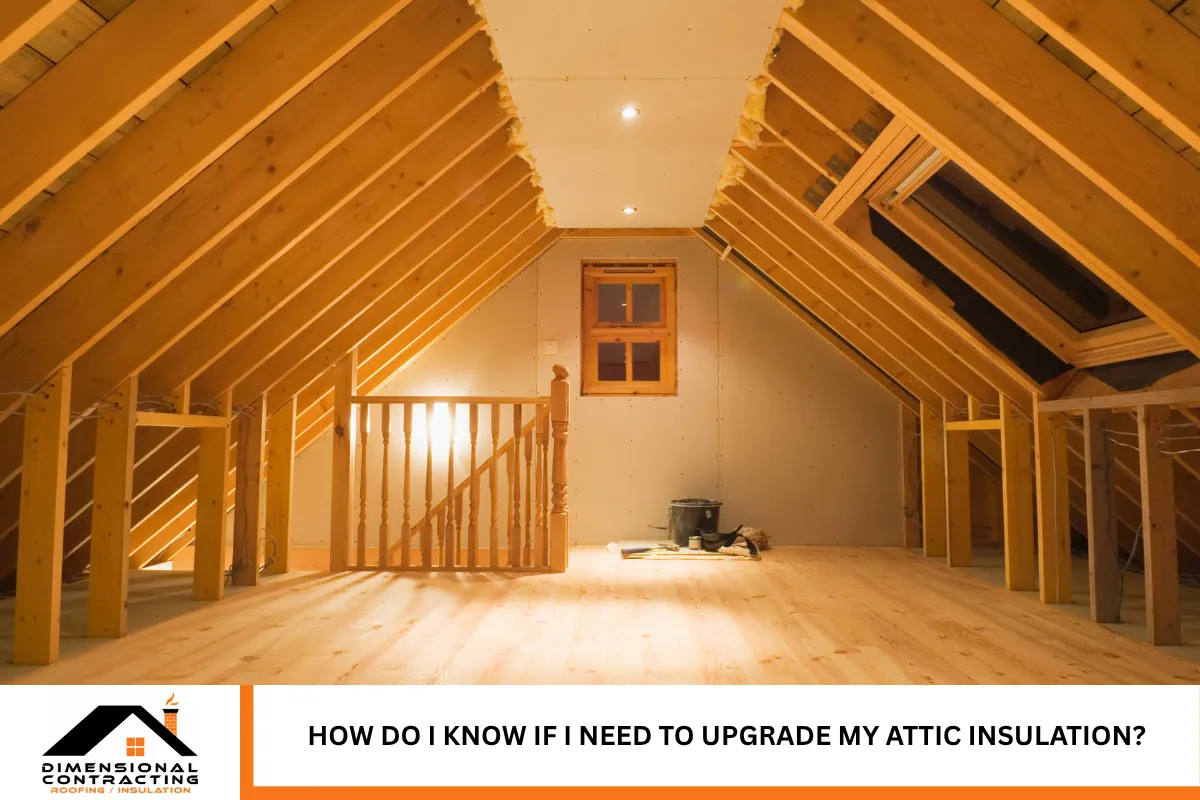
Signs include high energy bills, uneven temperatures between floors, visible joists because insulation is too thin, and ice dams in winter climates. A quick DIY check involves measuring current depth—anything under 10 inches typically signals an upgrade need. Read your utility bills over time to determine patterns.
Can new attic insulation be installed over old insulation?
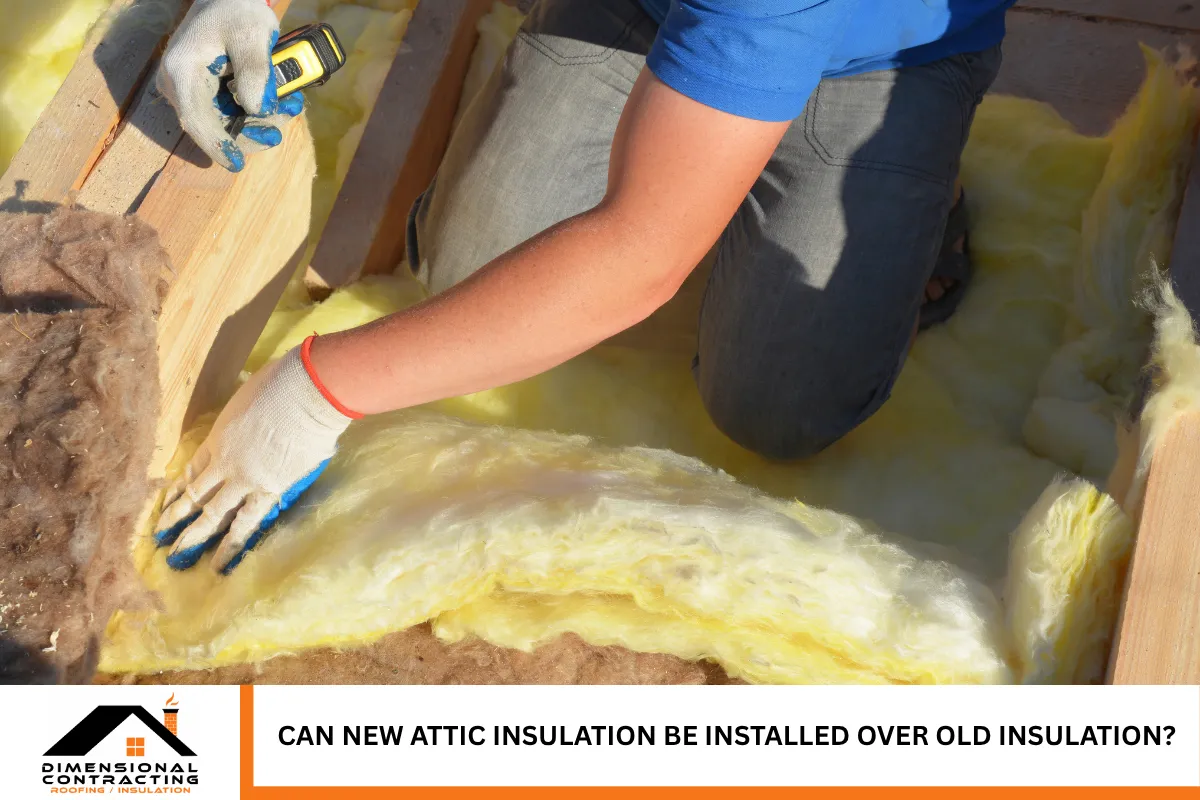
In many cases, an attic insulation contractor can add new insulation over dry, clean existing material. The installation process involves measuring and installing insulation to the proper depth, either by replacing existing insulation or adding new insulation on top. Replacement is recommended when there’s wet or moldy insulation, heavy rodent contamination, fire damage, or when old material blocks ventilation. A properly insulated attic should have even coverage, adequate depth, and no signs of moisture or pests. A proper inspection will determine the right approach.
How long does an attic insulation project usually take?
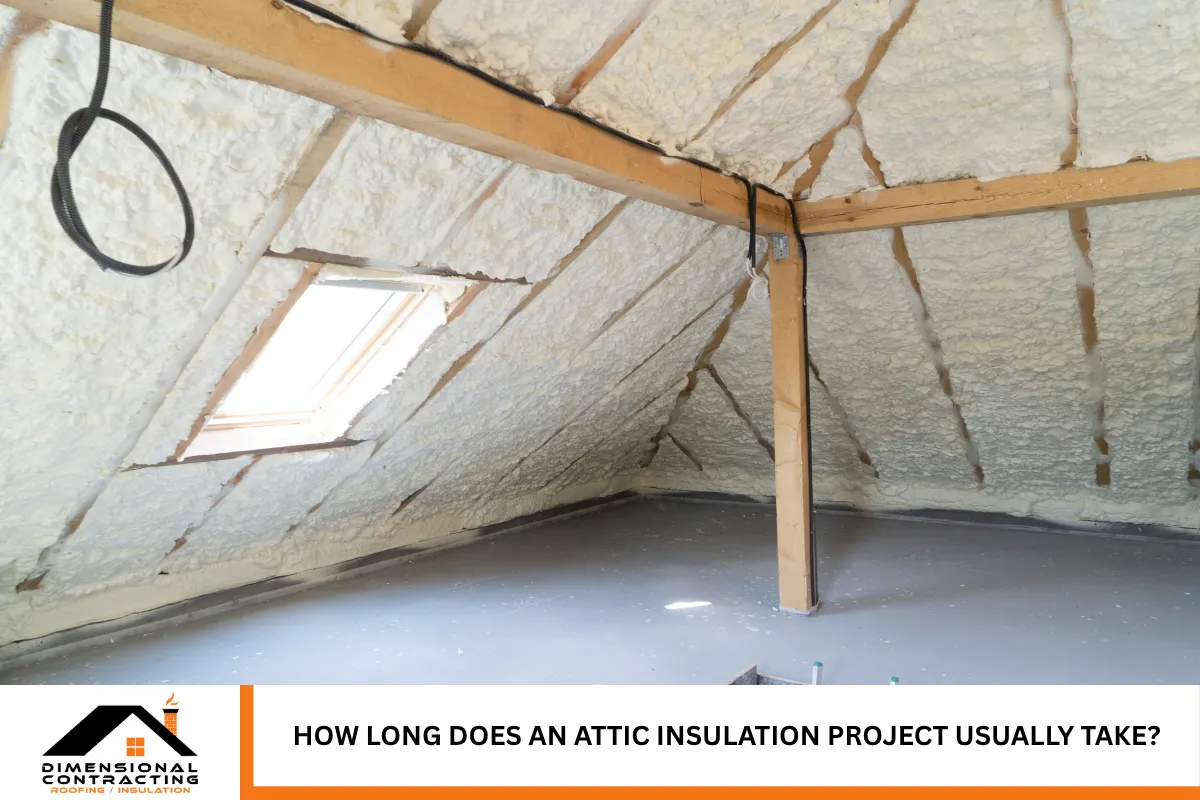
A typical single-family home job, including basic air sealing and blown insulation, can often be complete in one day. Projects involving full removal, pest remediation, or extensive repairs may extend to multiple days—your contractor should outline this in the initial proposal.
Will adding attic insulation make my home too “tight” to breathe?
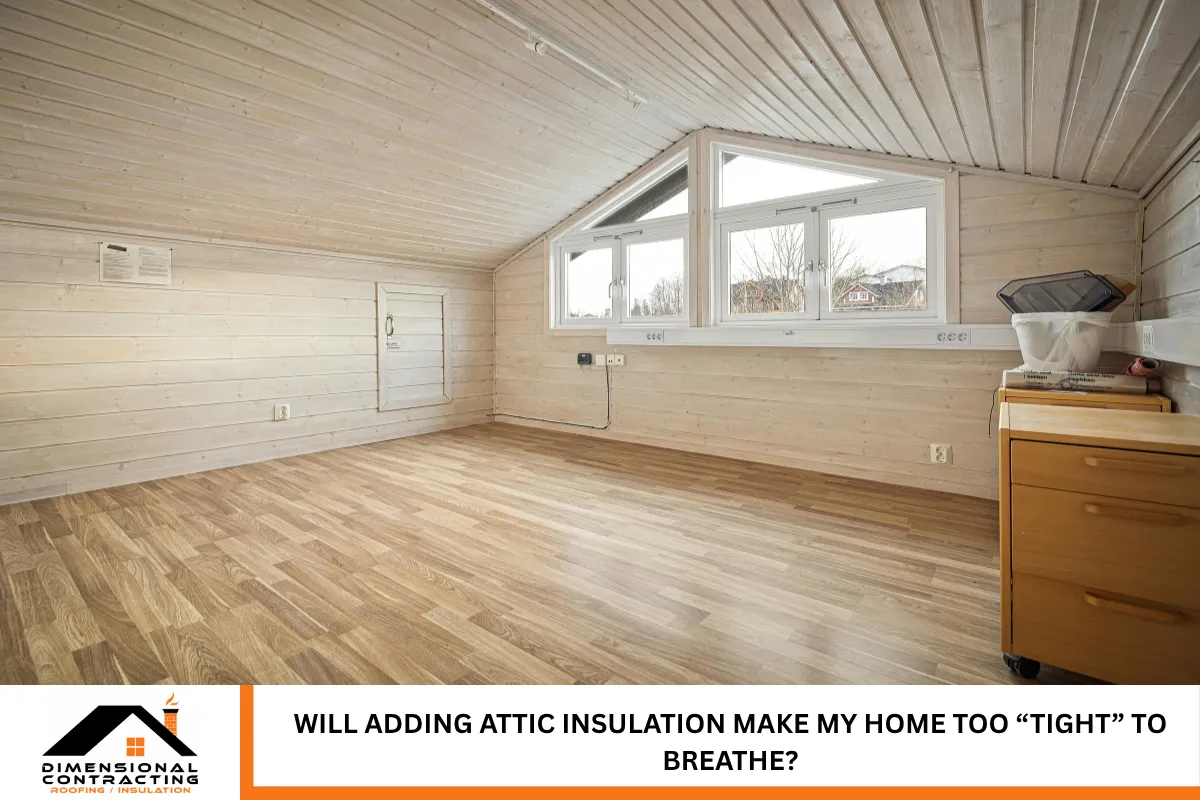
Insulation itself doesn’t prevent a home from breathing. The key is balancing air sealing with proper ventilation. Qualified contractors preserve or improve attic ventilation while sealing uncontrolled leaks, keeping your home efficient yet healthy.
Is it safe to insulate around recessed lights and electrical wiring?
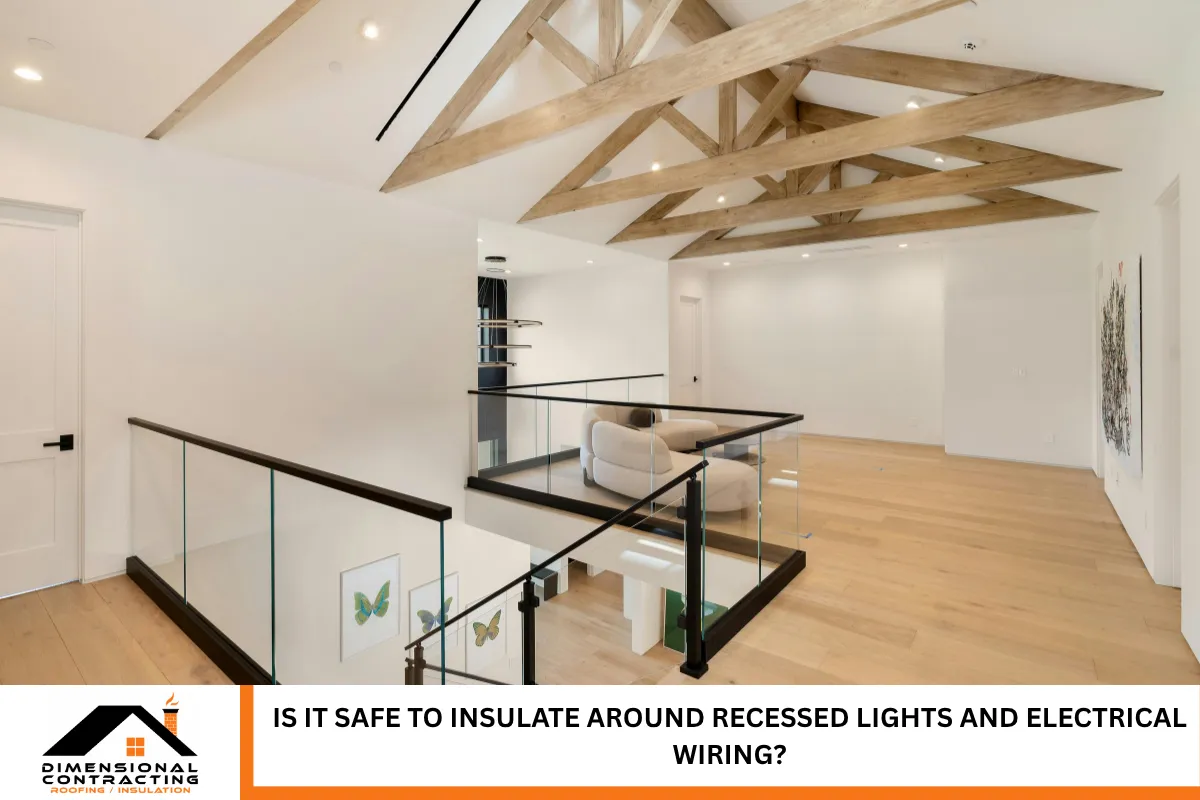
Modern IC-rated recessed lights are designed to be safely covered. Older non-IC fixtures require 3-inch clearances or protective covers. A professional contractor will identify fixture types, maintain required clearances, and recommend an electrician if wiring looks outdated before proceeding with the project.
Disclaimer: This article provides general information about attic insulation contractors and related services. Individual project needs and local regulations may vary; always consult a licensed professional for personalized advice and compliance requirements.


